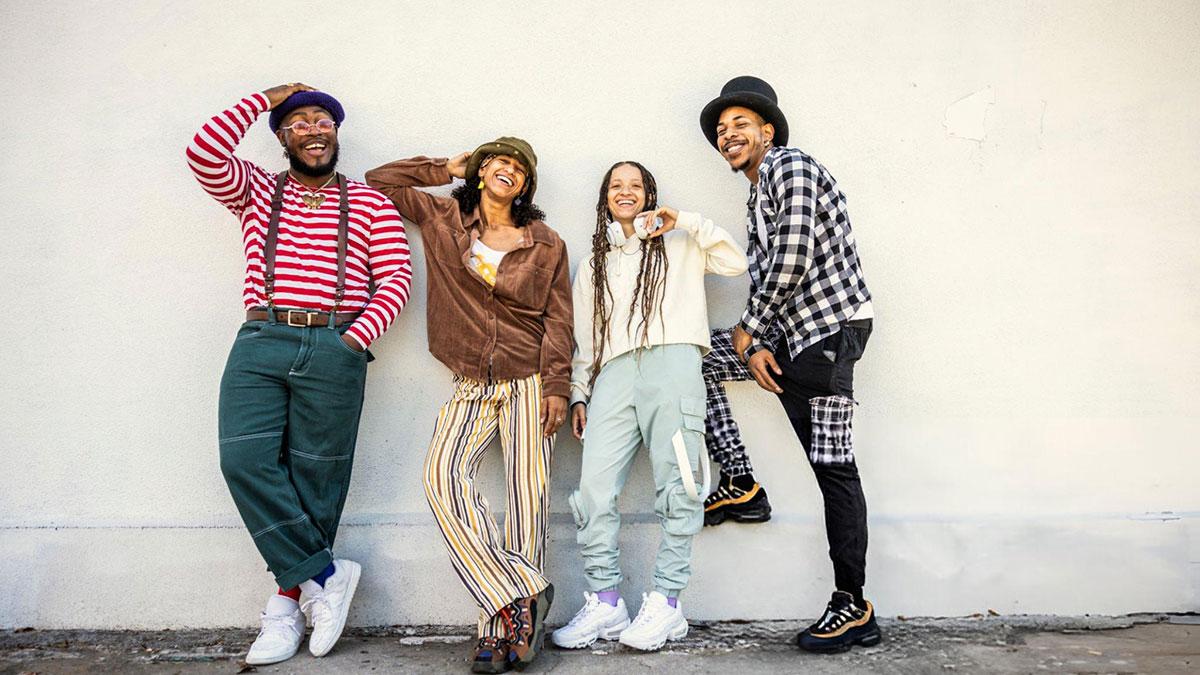
The relationship between high-fashion runways and the pavement of city streets has undergone a radical transformation. For decades, the fashion industry operated under a strict vertical hierarchy known as the trickle-down effect. In this model, prestigious design houses in Paris and Milan dictated the trends, which were then gradually adapted by mass-market retailers for the general public. However, the modern era has seen a complete reversal of this flow. Today, the street often dictates the runway, creating a symbiotic loop where luxury houses look to urban subcultures for inspiration, and everyday consumers demand high-fashion quality in their casual wardrobes.
Historically, high fashion was defined by its distance from the common person. It was an elite world of made-to-order gowns and rigid silhouettes that prioritized status over comfort. The evolution began in the mid-20th century as youth culture started to exert its influence. By the 1990s, the emergence of streetwear—a style rooted in hip-hop, skateboarding, and surf culture—began to challenge the dominance of traditional couture.
This movement was not born in a design studio but on the sidewalks of New York, Los Angeles, and Tokyo. It prioritized oversized fits, graphic messaging, and a sense of community. As these subcultures grew in global influence, luxury brands realized that to remain relevant to a younger, more diverse demographic, they had to embrace the very aesthetics they once dismissed as casual or unrefined.
The Rise of Luxury Streetwear
The most significant turning point in this evolution was the birth of luxury streetwear. This hybrid category proved that hoodies, sneakers, and t-shirts could be elevated to the level of high art through superior craftsmanship and limited-edition releases. Iconic collaborations, such as the 2017 partnership between a heritage luxury house and a legendary New York skate brand, bridged the gap between these two worlds permanently.
This convergence was fueled by a new generation of designers who treated streetwear with the same reverence as tailoring. Figures like Virgil Abloh and Demna Gvasalia brought a “street-first” mentality to the world’s most prestigious fashion houses. They introduced:
-
Oversized Silhouettes: Moving away from the slim, tailored cuts of the early 2000s toward voluminous, comfortable shapes.
-
Logo Mania: Utilizing brand emblems not just as tags but as the central aesthetic element of a garment.
-
Industrial Materials: Incorporating nylon, plastic, and heavy-duty hardware into luxury accessories.
-
The Drop Model: Adopting the streetwear method of releasing limited quantities of items at specific times to create artificial scarcity and high demand.
Technology and the Digital Front Row
In the year 2026, the traditional runway show is no longer the sole gatekeeper of what is considered fashionable. Social media has become the “new runway,” where trends are born, tested, and validated by millions before they ever hit a catwalk. Platforms like TikTok and Instagram have democratized fashion discovery, allowing micro-trends to go viral overnight.
This digital shift has forced high-fashion brands to become more agile. Designers now use data-driven insights to understand what styles are resonating with urban youth. The “get ready with me” (GRWM) culture on video platforms provides a real-time feedback loop, showing designers how people actually wear their clothes in daily life. This has led to the rise of “utilitarian luxury,” where high-end garments are designed with practical features like multiple pockets, weather-resistant fabrics, and convertible components.
Sustainability and the New Value System
As high fashion and street style continue to merge, the values of the consumer are shifting. Modern enthusiasts are less concerned with pure status and more focused on brand ethics. Both luxury houses and streetwear labels are being held to higher standards regarding environmental impact and social responsibility.
-
Circular Fashion: The rise of high-end resale markets means that garments are now viewed as investments with a longer lifecycle.
-
Material Innovation: High fashion is increasingly adopting bio-based fabrics and recycled materials originally popularized by eco-conscious street brands.
-
Authenticity: Consumers are moving away from “polished” marketing in favor of raw, unedited content that reflects a brand’s true identity.
The Globalization of Style
The evolution of runway trends is no longer confined to the “Big Four” fashion capitals. The influence of South Korean “K-Style,” the vibrant textiles of West Africa, and the avant-garde minimalism of Scandinavia have all filtered into the global high-fashion conversation. These regional street styles offer a fresh perspective that prevents the industry from becoming stagnant.
Luxury brands are now catering to a “global citizen” who might wear a tailored Italian blazer with Japanese raw denim and limited-edition sneakers from a collaboration between a tech giant and a sportswear brand. This eclectic mix defines the current era, where the boundaries between high and low, formal and casual, and local and global have largely evaporated.
The Future of the Fashion Loop
Looking forward, the interaction between the runway and the street will likely become even more integrated through augmented reality and artificial intelligence. We are entering an era where digital-only garments can be “worn” on social media before they are ever physically produced, allowing the street—or the digital equivalent of it—to vote on trends in advance.
The evolution of runway trends confirms that fashion is no longer a one-way conversation. It is a vibrant, chaotic, and democratic dialogue. High fashion provides the craftsmanship and the artistic vision, while the street provides the energy, the context, and the cultural soul. As long as people continue to use clothing as a tool for self-expression, the pavement will remain the most influential catwalk in the world.
Frequently Asked Questions
What is the trickle-up theory in the fashion industry?
The trickle-up theory suggests that fashion trends often originate from lower-income groups, youth subcultures, or the “street” and are eventually adopted by high-fashion designers and the wealthy elite. This is the opposite of the traditional trickle-down model where trends start with the upper class.
Why did luxury brands start collaborating with streetwear labels?
Luxury brands began these collaborations to tap into the cultural relevance and loyal following of streetwear communities. It allowed heritage houses to reach younger demographics and modernize their image without losing their reputation for exclusivity.
How has social media changed the way runway shows are designed?
Designers now create “viral moments” specifically intended for social media sharing. This includes dramatic set designs, unconventional locations, and garments that translate well to smartphone screens, ensuring the collection reaches a global audience instantly.
Is streetwear still considered a subculture in 2026?
While streetwear has its roots in subcultures like skating and hip-hop, it has become a dominant global fashion category. However, many “authentic” streetwear enthusiasts still identify with the original subcultures, creating a distinction between mass-market streetwear and niche, community-driven brands.
What role does comfort play in modern high fashion?
Comfort has become a primary driver of high fashion. The “athleisure” and streetwear movements have normalized relaxed fits, elastic waistbands, and technical fabrics in luxury settings, reflecting a broader societal shift toward practical, versatile clothing.
How do limited-edition “drops” affect fashion consumption?
The “drop” model creates a sense of urgency and exclusivity. By releasing small quantities of highly coveted items, brands can maintain high demand and a strong secondary resale market, which often keeps the brand’s value higher over time compared to mass-produced collections.
Can a trend start on the street and reach the runway in the same season?
Yes, due to the speed of digital communication, the cycle has shortened significantly. Designers and trend forecasters monitor social media daily, allowing street-inspired aesthetics to be integrated into collections almost in real-time through “capsule” releases or mid-season updates.