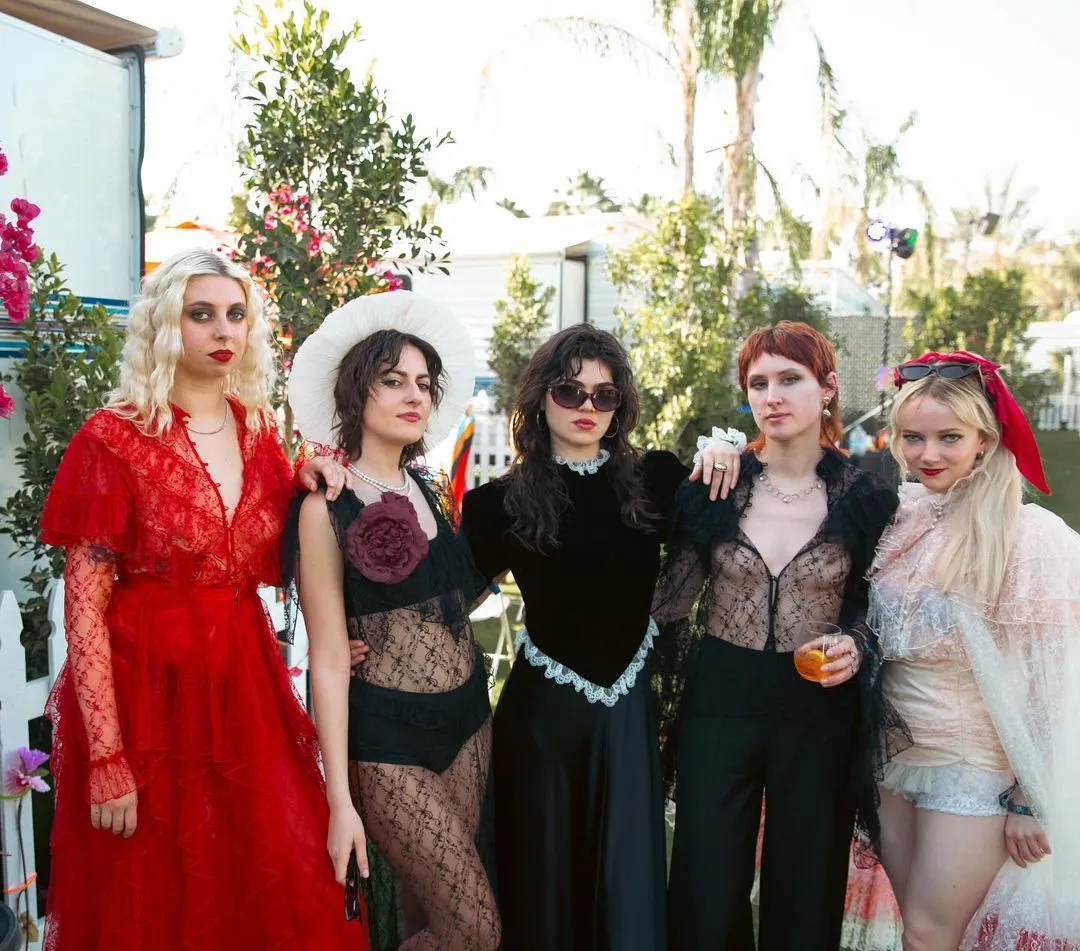
The concept of high fashion often evokes images of extreme opulence, exclusive guest lists, and astronomical price tags. However, the true essence of fashion is not about the cost of the materials, but the creativity, curation, and intentionality behind the presentation. In the current social climate of 2026, the most admired hosts are those who can achieve a sophisticated, editorial aesthetic without excessive spending. A high-fashion dinner party is defined by a strong visual theme, a focus on sensory details, and an atmosphere that feels like a curated gallery opening rather than a standard social gathering.
Hosting such an event on a budget requires a shift in perspective. Instead of purchasing luxury, you are manufacturing it through clever DIY solutions, strategic lighting, and a commitment to a singular vision. By prioritizing style over scale, you can create an evening that feels incredibly expensive and exclusive while remaining fiscally responsible.
Defining a Strong Visual Concept
Every high-fashion event begins with a mood board. To keep costs low, you must lean into a specific aesthetic that utilizes what you already have or what can be sourced cheaply. A cohesive theme acts as a mask for budget constraints; if every element follows a strict color palette or stylistic era, the overall effect looks intentional rather than improvised.
Consider a Minimalist Monochrome theme. By sticking strictly to black and white, even the simplest items—like plain white plates on a black tablecloth—take on a high-end, architectural quality. Alternatively, a Neo-Baroque theme allows you to use mismatched vintage finds from thrift stores, unified by a heavy dose of candlelight and dark, moody florals. The key is to avoid the middle ground. High fashion lives in the extremes: either hyper-minimal or decadently maximal.
The Architectural Tablescape
The table is the runway of your dinner party. It is the central piece of performance art where your guests will spend the majority of their time. To create a high-fashion look without a designer price tag, focus on height, texture, and negative space.
Instead of a traditional floral centerpiece, which can be incredibly costly, look toward sculptural elements. A single, large architectural branch in a tall vase creates more visual drama than a dozen roses. You can also use unconventional materials as table runners. A length of raw, unhemmed black denim or a strip of industrial metallic foil can provide a high-fashion edge that standard linens lack.
-
Layering Textures: Mix matte ceramics with polished glassware. The contrast between different surfaces creates a sophisticated tactile experience.
-
Repurposing Fashion Elements: Use strips of velvet ribbon or leather cords as napkin rings. These small nods to the garment industry reinforce the fashion theme.
-
The Power of Repetition: Instead of one large arrangement, place ten identical single stems in small glass bottles down the center of the table. This repetitive, clinical look is a staple of high-end runway sets.
Lighting as a Transformative Tool
Lighting is the most cost-effective way to change the perceived value of a space. High-fashion environments rarely rely on overhead lights, which are often harsh and flattening. To mimic the atmosphere of a luxury lounge or an after-party, you must layer your light sources.
Lower the lights as much as possible and rely on a sea of candles. Unscented pillar candles of varying heights can be grouped on the floor or on side tables to create a glow that softens features and hides any imperfections in the room. If you want a more modern, avant-garde look, consider using colored LED bulbs in a single hue, such as a deep violet or a sharp amber, to wash one wall in color. This mimics the lighting design of a runway show and instantly elevates the mood from a domestic home to a curated venue.
Curation of the Menu
A high-fashion menu is not about a dozen courses; it is about the visual presentation of a few perfectly executed dishes. In 2026, the trend in elite dining has moved toward “visual minimalism.” This means serving food that looks like a still-life painting.
Focus on ingredients that have natural structural beauty. Radical simplicity, such as a single perfectly roasted heirloom carrot served on a large white plate with a geometric swipe of sauce, looks more fashionable than a crowded plate of traditional party food. Use color as a tool. A monochromatic salad of all-green ingredients (cucumber, snap peas, mint, and green apple) looks like a deliberate design choice rather than just a side dish.
To save money on beverages, skip the full bar and create one “signature couture cocktail.” This allows you to buy ingredients in bulk and control the aesthetic of the glassware. Garnishes should be minimalist and sharp—a single long sliver of cucumber or a sprig of dried lavender—to maintain the high-fashion editorial look.
The Dress Code as Decor
In a high-fashion dinner party, the guests are part of the scenery. By setting a specific and challenging dress code, you outsource a significant portion of the evening’s visual impact to your attendees. Instead of a general “formal” request, give them a creative prompt that aligns with your theme.
Requests such as “Avant-Garde Architectural,” “Liquid Metallics,” or “Vintage 90s Minimalism” encourage guests to dig through their closets or thrift for unique pieces. When your guests arrive dressed to a specific theme, it creates an immersive environment that feels like a fashion week event. The collective effort of the group elevates the atmosphere far more than expensive catering ever could.
Soundscape and Atmosphere
Music is the invisible thread that holds the high-fashion theme together. Avoid mainstream hits, which can make the evening feel like a standard party. Instead, look for runway soundtracks or ambient electronic music that provides a rhythmic but unobtrusive backdrop.
The volume should be just high enough to fill the gaps in conversation but low enough to allow for intimate speaking. The goal is to create a “sound wash” that makes the room feel full and vibrant even if the guest list is small. If your theme is more classical or gothic, a looped track of cello compositions can add a layer of intellectual gravity to the dinner.
http://googleusercontent.com/image_collection/image_retrieval/1486440741931663525
Frequently Asked Questions
How can I handle the cost of wine without sacrificing quality?
Focus on “boutique” labels from lesser-known regions. Wines from areas like Portugal, Greece, or certain parts of the US East Coast often offer high-end complexity at a fraction of the cost of a famous French Bordeaux. Additionally, decanting any wine into a sleek, minimalist glass decanter immediately increases its perceived value.
What is the best way to handle invitations on a budget?
Digital invitations are not only cost-effective but can be more stylish if designed correctly. Use a minimalist design tool to create a high-contrast, text-heavy invite that looks like a fashion show program. If you prefer physical invites, a single card printed in bold black typography on heavy white cardstock is more fashionable than a colorful, expensive store-bought set.
How do I prevent the table from looking cluttered if I have a lot of guests?
Embrace the “Scandinavian long table” style. Keep the center of the table completely clear of everything except your minimalist decor. Serve the food “family style” from a side buffet or bring out plated courses one by one. This maintains the clean lines of the tablescape throughout the evening.
What are some cheap ways to provide high-fashion party favors?
Consider “edible art.” A single, high-quality dark chocolate square wrapped in black tissue paper and tied with a gold thread is a sophisticated parting gift. Alternatively, a small printed card with a curated “seasonal playlist” or a poem that fits the evening’s theme provides a lasting intellectual connection to the event.
Can I host a high-fashion party in a small apartment?
Exclusivity is a hallmark of high fashion. A small space can be rebranded as “intimate and clandestine.” Use furniture to create a single long runway-style table, or if you lack a table, create a “floor salon” with cushions and low lighting. The constraint of the space can be used as a stylistic choice.
What is the most common mistake people make when trying to look high-fashion?
The most common mistake is over-accessorizing. High fashion is about a few bold, clear statements rather than a lot of small, busy details. If you feel like your table or your room is getting too cluttered, remove two items. The power of negative space is what separates luxury from the mundane.
How do I manage the cleanup without breaking the mood at the end of the night?
In a high-fashion setting, the party should end while the mood is still high. Once the final course is finished, move the guests to a separate “lounge” area for coffee or a final drink. This allows the dining table to remain as a “staged” piece of art, and you can handle the actual cleanup after the guests have departed.