close

Kevin Brandon

Lifestyle

How to Keep Men’s Skin Healthy During Humid Weather

Hot and humid weather can be a menace for your skin. Excess sweat, oil buildup, and clogged pores often lead to breakouts, irritation, and a greasy complexion. Thankfully, though, you need not rely on a complicated skincare regimen to keep your skin looking fresh. All you need are a few smart habits and the right products, and they can make all the difference.

No matter what outdoor activity you’re doing, following a simple men’s skincare routine helps keep your skin balanced, clean, and healthy.

Start with the Right Face Wash

Humidity compels your skin to produce more oil. That’s why cleansing is one of the most important steps in your daily routine. Washing your face twice a day removes dirt, sweat, excess sebum, and pollutants that can clog pores.

When selecting a men’s face wash, look for formulas that cleanse thoroughly without stripping your skin of its natural moisture.

A good cleanser can help:

  • Remove sweat and oil buildup
  • Prevent clogged pores
  • Reduce the appearance of acne
  • Leave your skin feeling fresh and comfortable

Using a men’s face wash in the morning and after exercising is particularly ideal during hot weather when your skin is exposed to more sweat and environmental impurities.

Keep Your Skin Hydrated Without Feeling Greasy

A common misconception strewn about is that oily skin doesn’t need moisturizer. In reality, skipping moisturizer can leave your skin dehydrated. This may encourage it to produce even more oil.

Instead, choose the top men’s face cream that’s both fast-absorbing and non-comedogenic. Gel creams or water-based moisturizers work particularly well in humid climate because they provide hydration without feeling heavy.

Look out for ingredients like:

  • Hyaluronic acid for lightweight hydration
  • Niacinamide to help balance excess oil
  • Ceramides to support the skin barrier
  • Glycerin for long-lasting moisture

Applying the top men’s face cream after cleansing helps lock in hydration while keeping your skin smooth and comfortable for the rest of the day.

Build a Simple Men’s Skincare Routine

You don’t need a plethora of products to maintain healthy skin. When it comes to a men’s skincare routine, consistency beats complexity any day.

Here’s an easy routine to follow:

Morning

  • Cleanse with a men’s face wash
  • Apply a lightweight moisturizer
  • Finish with a broad-spectrum sunscreen (SPF 30 or higher)

Evening

  • Wash away sweat, dirt, and sunscreen with your favorite cleanser
  • Apply moisturizer to replenish hydration
  • Use a targeted treatment if you’re prone to breakouts

Consistency is far more important than using lots of products. Following these simple steps every day can help your skin stay healthier in any season.

Extra Tips for Healthy Skin in Humid Weather

In addition to your skincare routine, a few lifestyle habits can help keep your skin looking its best.

Try these simple tips:

  • Drink plenty of water throughout the day.
  • Avoid touching your face with unwashed hands.
  • Change sweaty shirts promptly after workouts.
  • Wash pillowcases regularly to reduce oil and bacteria buildup.
  • Wear breathable fabrics that help reduce sweating.
  • Don’t forget sunscreen even on cloudy days.
  • Exfoliate once or twice a week to remove dead skin cells, but avoid over-scrubbing.

These small changes can help prevent breakouts and keep your skin comfortable.

Choose Products That Match Your Skin Type

Every man’s skin is different, so choosing products based on your skin type can lead to better results.

  • Oily skin: Use foaming cleansers and lightweight moisturizers.
  • Dry skin: Look for hydrating cleansers and richer creams.
  • Combination skin: Choose balancing products that hydrate without adding excess oil.
  • Sensitive skin: Opt for fragrance-free products with soothing ingredients.

Finding the right men’s face wash and moisturizer for your individual needs makes it much easier to manage humid weather without irritation.

Healthy Skin Starts with Consistency

Humid weather doesn’t have to result in oily and uncomfortable skin. By cleansing regularly, moisturizing with the top men’s face cream, wearing sunscreen daily, and sticking to a simple routine, you can keep your complexion looking healthy all through the season.

The key isn’t having too many products; it’s using the correct ones consistently. With a practical skincare routine and a few healthy habits, your skin can stay comfortable, balanced, and ready for whatever the day brings.

read more
Jewelry

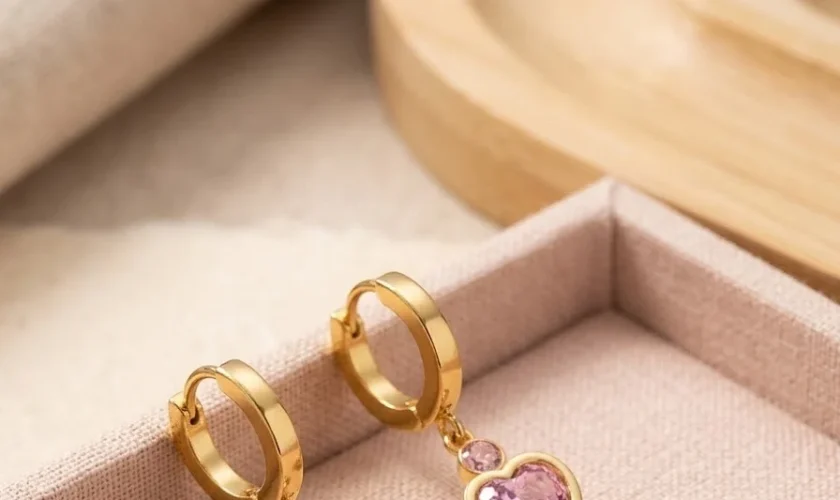
Add a Romantic Touch with Heart Earrings

In the realm of jewelry, few pieces evoke emotion and sentiment quite like heart earrings. These charming accessories transcend mere adornment, serving as a timeless symbol of love and affection. Whether given as a heartfelt gift or chosen as a personal statement, heart earrings can effortlessly elevate any ensemble, adding a romantic touch that resonates with both the wearer and the observer. From delicate stud designs to ornate dangling options, the versatility of heart earrings allows them to be seamlessly integrated into various styles and occasions. As fashion continues to evolve, so too does the significance of these iconic symbols, transforming them into not just a fashion statement, but also an expression of personal sentiment. With the rise of meaningful accessories in contemporary fashion, heart earrings have captured the hearts of many, appealing to those who seek to convey their emotions through their style choices. This article explores the unique allure of heart earrings, offering insights into their history, design variations, and tips on how to incorporate them into your wardrobe. Whether you’re looking to express love, celebrate a special occasion, or simply add a touch of whimsy to your look, heart earrings are the perfect accessory for every romantic.

Heart Earrings: A Timeless Accessory Choice

Heart earrings serve as a captivating accessory that transcends trends and personal styles. Their universal symbol of love and affection makes them a versatile choice for various occasions, from casual outings to formal events. Crafted in an array of materials, including gold, silver, and gemstones, heart earrings can range from subtle and minimalist designs to bold statement pieces, catering to diverse fashion preferences. This adaptability allows wearers to express their individuality while still embracing a classic motif.

Furthermore, heart earrings can hold sentimental value, often given as gifts to commemorate special moments or milestones, enhancing their appeal as cherished keepsakes. This emotional connection, combined with their aesthetic versatility, solidifies heart earrings as an enduring accessory in any jewelry collection. Whether worn alone or paired with other pieces, they effortlessly convey a sense of elegance and warmth, making them an essential choice for anyone looking to enrich their accessory lineup.

Enhancing Outfits with Heart Earrings

Incorporating heart earrings into an ensemble can elevate the overall aesthetic, offering a charming focal point that draws attention and enhances the wearer’s personality. The delicate nature of these earrings complements a variety of looks, from casual chic to sophisticated evening attire. For a daytime outing, a pair of understated heart studs can add a hint of playfulness, whereas a striking pair of dangling heart earrings can transform a simple dress into a statement outfit for an evening event, seamlessly blending elegance with a touch of whimsy.

Moreover, heart earrings can serve as a means of self-expression, reflecting the wearer’s unique style and emotional landscape. By selecting designs that resonate personally—be it through color, size, or material—individuals can create a signature look that speaks to their inner essence. In this way, heart earrings not only enhance outfits but also create a narrative, allowing the wearer to showcase their individuality while embracing a timeless symbol of love and connection.

Choosing the Right Heart Earrings

When selecting heart earrings, it is essential to consider the occasion and personal style to ensure a harmonious match with the overall outfit. For everyday wear, smaller, minimalistic designs may provide just the right touch without overwhelming the look, while larger, more ornate heart earrings can serve as bold statements for special occasions. Additionally, the choice of materials—such as gold, silver, or enamel—can significantly influence the vibe of the earrings, with each option offering a distinct aesthetic that caters to various preferences.

Understanding the wearer’s face shape can also play a crucial role in the selection process. For instance, elongated earrings may complement round faces, while stud or hoop options can enhance angular features. Ultimately, the right pair of heart earrings should not only reflect the wearer’s personality but should also seamlessly integrate into their wardrobe, providing versatility and a sense of joy with each wear. By thoughtfully considering these factors, heart earrings can become a cherished accessory that enhances both the style and spirit of the individual.

Caring for Your Heart Earrings

To maintain the beauty and integrity of heart earrings, proper care and storage are paramount. Regular cleaning helps prevent the buildup of dirt and oils that can dull their shine. For most materials, a gentle wash with mild soap and water, followed by a soft cloth to dry, is sufficient. However, specific care instructions may vary depending on the material composition; for example, precious metals might require specialized polish to preserve their luster, while enamel designs should be handled with extra caution to avoid chipping.

When not in use, heart earrings should be stored in a cool, dry place, ideally in a soft pouch or a designated jewelry box to prevent scratches and tangles. Avoid exposing them to harsh chemicals or environments, such as swimming pools or saunas, which can cause damage. By following these simple maintenance tips, the allure of heart earrings can be preserved, ensuring they remain a cherished part of your jewelry collection for years to come.

Gift Ideas: Heart Earrings for Loved Ones

Heart earrings serve as a timeless gift, embodying love and affection while adding a touch of elegance to any outfit. Whether presented on a special occasion like an anniversary or simply as a thoughtful gesture, these exquisite pieces are versatile enough to cater to diverse personal styles and preferences. From delicate studs adorned with subtle gemstones to bold, statement pieces crafted in gold or silver, heart earrings can reflect the unique personality of the recipient. Such gifts not only enhance the wearer’s beauty but also create lasting memories, making them a perfect expression of care and devotion.

In addition to their aesthetic appeal, heart earrings can carry significant sentimental value. Many jewelers offer customizable options, allowing you to engrave initials or special dates, transforming a beautiful accessory into a cherished keepsake. This personal touch elevates heart earrings from a mere adornment to a meaningful symbol of your relationship. As you consider your gifting options, think about how heart earrings can convey your feelings in a way that resonates deeply with your loved ones, celebrating the bond you share while adding a fashionable flair to their jewelry collection.

In conclusion, heart earrings serve as a timeless accessory that effortlessly combines elegance with a touch of romance. Whether in classic gold, sparkling gemstones, or modern designs, these earrings not only enhance any outfit but also convey heartfelt sentiments to both the wearer and those who admire them. As versatile pieces, they can be worn on various occasions, from casual outings to formal events, making them a valuable addition to any jewelry collection. As you explore the world of heart earrings, consider how they can reflect your personal style while adding a meaningful element to your look. Invest in a pair that resonates with you, and let these charming accessories express your unique sense of love and beauty.

read more
Fashion

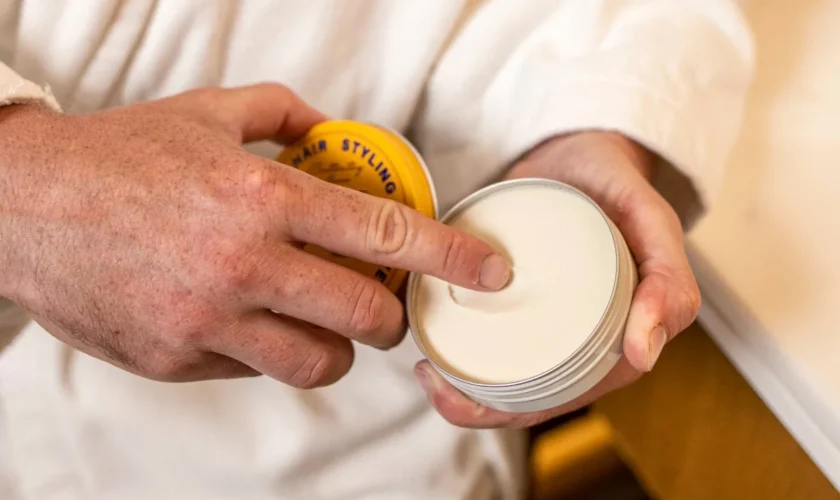
Hair Clay For Men: The Best Styling Product For Adding Hair Volume

When it comes to men’s hairstyling, achieving volume without making hair look stiff or greasy can be challenging. This is where hair clay has become a popular styling essential. Unlike heavier gels or waxes, hair clay helps create texture, definition, and volume while maintaining a natural-looking finish. Whether you have fine hair, thinning-looking hair, or simply want a fuller hairstyle, hair clay can help elevate your grooming routine.

What Is Hair Clay?

Hair clay is a styling product designed to provide texture, hold, and volume. It typically offers a matte or natural finish, making it ideal for men who want a polished hairstyle without excessive shine.

The lightweight nature of hair clay allows hair to maintain movement while still holding its shape throughout the day. This makes it suitable for a wide range of hairstyles, from textured crops and quiffs to casual, tousled looks.

Why Hair Clay Is Great For Adding Volume?

One of the biggest benefits of hair clay for men is its ability to create the appearance of thicker, fuller hair. Instead of flattening the hair, it helps lift the roots and adds texture throughout the lengths. Benefits of using hair clay include:

  • Creates natural-looking volume
  • Adds texture and definition
  • Provides a flexible hold
  • Leaves a matte or low-shine finish
  • Helps hairstyles look fuller and thicker
  • Suitable for everyday styling

For men with fine or thinning-looking hair, hair clay can help create the illusion of greater density and body.

Building a Complete Volume-Focused Routine

While styling products help create volume instantly, combining them with a targeted haircare routine can help improve overall results.

For men seeking fuller-looking hair, using a routine that includes cleansing and styling products designed for volume can be beneficial. After washing with a volumising hair fall shampoo for men, a styling product like Genesis Homme Anti-Hair Fall Thickening Clay can help add texture and body while creating a natural-looking finish.

This type of routine works particularly well for men who want hairstyles that look thicker, more structured, and easy to manage.

Choosing Hair Clay Over Other Styling Products

Compared to gels and pomades, hair clay offers a more natural finish with greater texture and flexibility. While gels often create a wet look and stronger hold, clay provides volume and separation without making the hair appear stiff. Hair clay is particularly suitable if you:

  • Prefer matte or natural finishes
  • Want more texture and movement
  • Need extra volume at the roots
  • Have fine or thinning-looking hair
  • Want a versatile everyday styling product

Hair clay is one of the most effective styling products for men looking to add volume, texture, and definition to their hairstyles. By combining a clean, healthy scalp routine with the right styling products, it becomes easier to achieve fuller-looking hair that remains manageable throughout the day.

Whether you’re aiming for a textured everyday look or a more structured style, incorporating hair clay into your grooming routine can help create natural volume without sacrificing flexibility or comfort.

read more
Fashion

Performance Meets Style: What Modern Gym Wear Says About Singapore’s Fitness Culture

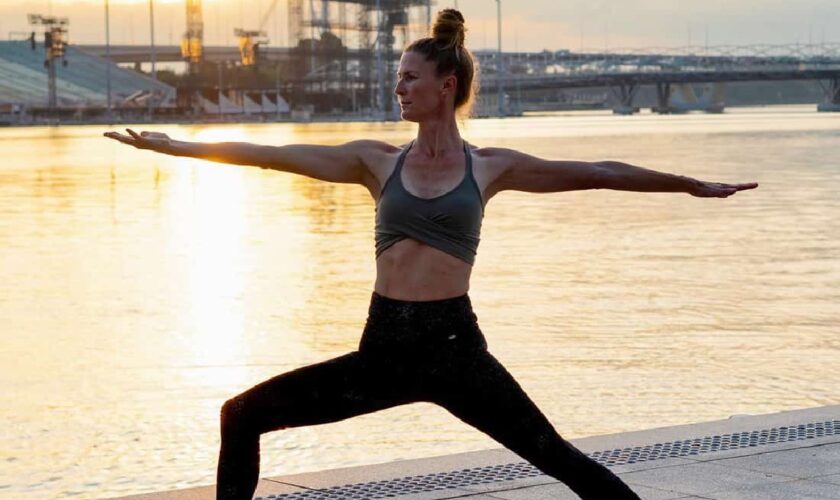
Gym wear has become more than clothing for exercise. It reflects lifestyle, confidence, comfort and the way people integrate fitness into daily routines. For members choosing a fitness gym singapore experience, modern activewear is often part of the overall motivation, helping them move better and feel more prepared for training.

In Singapore’s urban lifestyle, many people move from work to gym, gym to errands, or fitness class to social plans. This has made activewear more functional and more stylish. The right clothing can improve comfort, support movement and make the gym feel like a natural part of the day.

Why Gym Wear Affects Workout Confidence

Confidence matters in fitness. When people feel comfortable in what they wear, they often move with less self-consciousness. This can improve participation, especially in group classes or busy gym environments.

Good gym wear should fit well, allow movement and manage sweat. Poor clothing can distract from the workout. It may ride up, restrict movement or feel uncomfortable during cardio.

The right outfit does not need to be expensive, but it should support the activity.

Function Comes Before Fashion

Style is important, but function should come first. Gym clothing must match the type of workout. Strength training, cycling, cardio classes and mobility sessions may require slightly different clothing choices.

For strength training, clothing should allow squats, lunges, presses and pulling movements. For cardio, sweat-wicking fabric and secure fit are useful. For stretching or mobility, flexibility matters.

Fashion works best when it supports performance rather than interfering with it.

Activewear and Singapore’s Climate

Singapore’s humidity affects clothing choices. Breathable fabrics, moisture control and lightweight materials can make workouts more comfortable. Heavy cotton may absorb sweat and feel uncomfortable during intense sessions.

For people who train during lunch breaks or after work, clothing that dries quickly and stays comfortable is especially useful.

Climate-friendly activewear can make the difference between enjoying a session and feeling distracted by heat and sweat.

The Rise of Athleisure

Athleisure has changed fitness fashion. Many people now wear activewear outside the gym because it suits busy lifestyles. Leggings, joggers, performance tops and sleek trainers have become everyday wardrobe pieces.

This reflects a larger cultural shift. Fitness is no longer something hidden in a specific hour. It is part of identity. What people wear shows that movement, health and convenience are part of their lifestyle.

For urban professionals, athleisure helps bridge the gap between training and daily life.

Choosing Shoes for Gym Training

Shoes are often overlooked, but they matter. Running shoes may be comfortable for cardio but too soft for heavy lifting. Flat, stable shoes may work better for strength training. Cycling classes may require specific footwear depending on the setup.

The right shoe improves stability and comfort. The wrong shoe can affect balance and exercise technique.

Gym goers should choose footwear based on the training they do most often.

Style as Motivation

While fitness should not depend only on appearance, looking good can increase motivation. A fresh gym outfit can make someone feel more prepared and excited to train.

This is not vanity. It is psychology. When people associate gym wear with action, energy and self-care, clothing can become part of the habit-building process.

The goal is to use style as support, not as pressure.

Building a Practical Gym Wardrobe

A practical gym wardrobe should include breathable tops, flexible bottoms, supportive shoes, socks, a towel and perhaps a lightweight layer for air-conditioned spaces. People attending different classes may need clothing suited to each workout type.

Quality matters more than quantity. A few reliable pieces are better than many uncomfortable items.

The best gym wear helps people forget about clothing and focus on movement.

Real-Life FAQs

Q. Does gym clothing really affect performance?

Ans. It can. Comfortable, flexible and sweat-friendly clothing allows better movement and reduces distraction.

Q. What fabric works best for workouts in Singapore?

Ans. Lightweight, breathable and moisture-wicking fabrics are usually better than heavy cotton for intense sessions.

Q. Can stylish gym wear improve motivation?

Ans. Yes, for many people. Feeling prepared and confident can make it easier to show up and train.

read more
Fashion

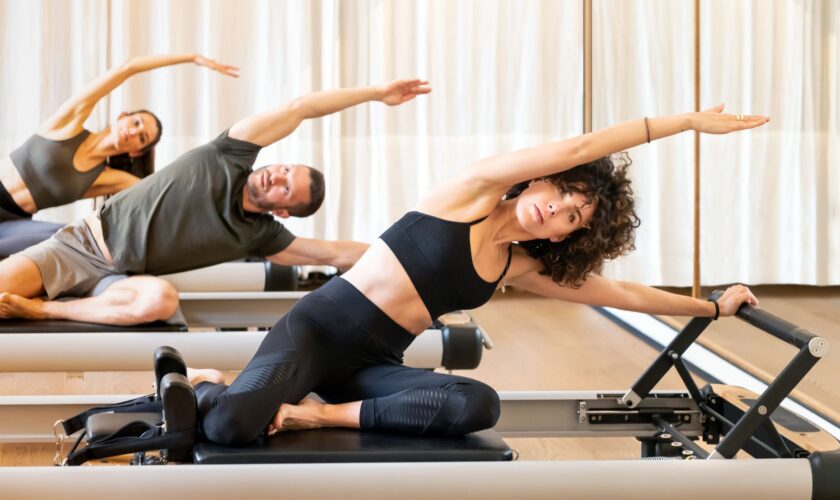
Engineering Pilates Apparel: Why the Technical Demands of Mat and Reformer Work Require Different Fabric Properties Than Yoga

The activewear market treats pilates and yoga apparel as essentially interchangeable categories, presenting the same leggings, tops and shorts for both disciplines with minimal acknowledgement of the genuinely different physical demands that pilates singapore and yoga place on the clothing worn during practice. For practitioners who attend both disciplines casually, this interchangeability is largely adequate. The performance differences between discipline-appropriate and discipline-inappropriate apparel are small enough that occasional practitioners are unlikely to notice them. For serious pilates practitioners who attend multiple sessions per week, who work on reformer equipment and mat exercises that place specific and unusual demands on their clothing, and who have developed the movement awareness to notice when apparel is impeding their practice, the technical differences between pilates-optimised and general yoga activewear are meaningful.

Understanding what pilates practice specifically demands from apparel, and how those demands differ from yoga’s requirements, is the foundation for building a kit that genuinely supports the practice rather than simply covering the body during it.

The Reformer Environment and Its Unique Clothing Challenges

Reformer pilates creates clothing challenges that have no equivalent in mat pilates, yoga or most other group fitness formats, because the reformer machine itself interacts with the clothing in ways that floor-based exercise does not.

The carriage surface of the reformer, where the practitioner stands, sits, kneels or lies during various exercises, creates friction and pressure forces against clothing that vary considerably across different exercise positions. In foot bar work, the feet are often bare, but the rest of the body may be in contact with the carriage surface, and clothing that rides up, compresses uncomfortably or creates pressure points under body weight produces distracting discomfort that competes with the internal awareness that pilates requires.

The straps and handles of the reformer create a different interaction concern. Loose or oversized clothing can catch on the spring-loaded components of the machine, creating a safety concern in exercises where rapid spring release is part of the movement pattern. Clothing that rides up during overhead arm work or that does not maintain coverage during inverted or semi-inverted exercise positions creates both a distraction and a practical modesty concern in group class settings.

The temperature environment of reformer pilates differs from most other studio contexts. The reformer’s spring resistance mechanisms create a specific work demand that generates significant localised muscular exertion in the legs, hips and core without the cardiovascular intensity that produces the heavy full-body perspiration of a heated yoga class or a high-intensity cardio format. The result is a temperature regulation challenge that sits between the needs of a hot yoga class and a yin yoga session: enough exertion to require some moisture management, but not enough to make minimal coverage the priority that hot yoga demands.

The Grip Dimension: Why Pilates Needs Different Solutions Than Yoga

Grip in pilates occurs in different anatomical locations and from different mechanisms than grip in yoga, and this difference has direct implications for the clothing design features that are most useful.

In yoga, the primary grip concern is the interface between hands, feet and a mat surface during weight-bearing and balance postures. In reformer pilates, the grip concerns are more varied: the contact between the feet and the reformer footbar, the contact between the body and the carriage surface in various exercise positions, and the contact between the hands and the straps or handles of the machine.

The footbar contact issue is addressed by most practitioners through bare feet, which provide the most reliable feedback and grip on this surface. The carriage contact issue is where clothing choice becomes relevant: smoother fabrics that slide over the carriage surface are better suited to exercises where some movement between body and carriage is intended, while fabrics with more textured surfaces that provide grip are better suited to exercises where maintaining position against the carriage is the priority.

For mat pilates work, the hand and knee contact concerns that reformer work does not create become relevant. Mat pilates involves a higher proportion of kneeling and four-point support positions than most yoga formats, creating a sustained pressure on the knee surface that thin or inadequately padded leggings makes uncomfortable over extended hold times. The contact between palms and mat surface in four-point positions requires the same grip-friendly fabric considerations that yoga hand positioning demands.

Length, Coverage and the Pilates Movement Range

The ranges of motion that pilates exercises move through, and the body positions in which these ranges are achieved, create specific coverage requirements that differ in meaningful ways from yoga’s.

Pilates places considerable emphasis on hip flexion through a wide range, from the gentle double knee to chest positions of early clinical exercises to the strong hip flexion of teaser variations and advanced rolling exercises. In high hip flexion positions, leggings with inadequate rise height or tops without sufficient length create coverage gaps that are both practically uncomfortable and socially inconvenient in group class settings.

The supine positions that constitute a significant proportion of both mat and reformer pilates work create a different coverage challenge from the standing and downward-facing positions that dominate many yoga classes. Leggings that maintain full coverage and waistband position in upright work may reveal the lower back or shift the waistband position uncomfortably in extended supine positions where the pelvis is moving through ranges of posterior and anterior tilt. High-waisted designs with waistbands that maintain their position through pelvic movement are more consistently appropriate for the pilates context than standard waistband designs.

The arm position range of pilates includes a higher proportion of exercises with arms extended overhead or out to the side than is typical in most yoga formats. Tops that are designed primarily for forward-folding and arm-bearing positions may ride up significantly during overhead arm work, particularly in the reformer strap exercises that regularly bring the arms into full overhead extension. Longer crop tops and tucked or fitted designs that maintain their position through overhead movement address this issue more effectively than shorter tops with elasticated hems that ride up freely.

Compression Intensity and Its Pilates-Specific Application

The compression properties of pilates apparel require a more nuanced consideration than the binary compressed or uncompressed choice that most activewear marketing implies.

High compression in the leg and hip regions is appropriate and beneficial for several pilates applications, including the proprioceptive feedback that compression provides during the subtle hip and pelvis positioning that forms the foundation of pilates technique, and the muscular support that compression provides during the sustained isometric work of many classical exercises. However, high compression around the abdomen and lower rib cage is specifically contraindicated for the deep diaphragmatic breathing that pilates breathing technique requires. Waistbands or tops that apply high compression to the lower thorax restrict the rib cage expansion that full diaphragmatic breathing demands, producing a direct conflict between the compression garment’s function and the exercise’s intended effect.

The design solution to this tension is selective compression: high compression in the leg and hip regions where proprioceptive and muscular support benefit is clear, transitioning to minimal compression in the lower rib cage and abdominal regions where breathing freedom is the priority. Several performance apparel manufacturers have begun designing specifically for this requirement, producing pilates-specific leggings and tops with graduated compression profiles that address the discipline’s unique combination of stability and breathing freedom needs.

Yoga Edition serves a pilates community whose movement awareness and practice sophistication have developed to a level where the performance details of their apparel choices are genuinely relevant to the quality of their practice, reflecting the broader principle that serious engagement with pilates extends naturally into the tools and equipment that support the depth of the discipline.

read more
Jewelry

How to Layer Necklaces Like a Professional Stylist

The art of necklace layering is one of the most effective ways to transform a simple outfit into a curated fashion statement. While it might appear as though professional stylists simply toss on a handful of gold chains and achieve a perfect look, the reality is far more calculated. Effective layering requires a keen understanding of proportions, textures, and focal points. In 2026, the trend has evolved from the delicate minimalism of previous years into a more expressive, “more is more” philosophy that celebrates personal history and architectural contrast.

Mastering this skill allows you to breathe new life into your existing jewelry collection. It is about creating a visual narrative around your neckline that reflects your personality while maintaining a sense of intentionality. Whether you are dressing up a basic white t-shirt or adding a touch of rebellion to a formal evening gown, the following principles will help you curate a necklace stack that looks expensive, balanced, and professionally styled.

The Rule of Three: Creating a Visual Hierarchy

The most fundamental principle used by professional stylists is the Rule of Three. While you can certainly layer two necklaces or even five, three is widely considered the magic number for achieving perfect balance. This structure creates a beginning, a middle, and an end to your jewelry story.

The first layer is typically a short, delicate piece that sits high on the collarbone. This could be a simple 14-inch choker or a fine satellite chain. Its purpose is to frame the neck and provide a starting point for the eye. The second layer is the “bridge.” Usually sitting around 16 to 18 inches, this necklace should have slightly more weight or a different texture than the first. The third layer is the “anchor” or the focal point. This is often a 20- to 24-inch chain with a significant pendant, coin, or medallion. By staggering the lengths in this way, you ensure that each piece has its own breathing room and that the stack doesn’t look like a cluttered mess.

Playing with Texture and Chain Weights

The secret to a sophisticated layer is contrast. If you wear three identical flat gold chains of different lengths, the look can appear flat and repetitive. Professional stylists look for ways to mix textures to create depth. This is achieved by combining different chain styles within a single stack.

  • Snake Chains: These offer a smooth, liquid-like sheen that catches light evenly.

  • Paperclip Chains: With their elongated links and industrial feel, these add a modern, architectural edge.

  • Rope and Curb Chains: These provide a rugged, twisted texture that creates a beautiful shadow play against the skin.

  • Beaded or Pearl Strands: Incorporating a strand of small pearls or colorful gemstones adds an organic element that breaks up the metallic monotony.

When selecting your pieces, try to pair a heavy, chunky chain with a very fine, dainty one. This juxtaposition makes the delicate piece look more feminine and the heavy piece look more intentional. The goal is to have enough variety that the eye is constantly moving from one interesting detail to the next.

Managing the Focal Point

Every successful necklace stack needs a “hero” piece. This is the element that draws the initial attention and anchors the rest of the look. Without a focal point, the layers can feel aimless. Most stylists choose a pendant for the longest layer to serve this purpose.

A popular choice in 2026 is the use of vintage coins, astrological medallions, or raw-cut gemstones. When choosing your hero piece, consider the neckline of your clothing. If you are wearing a deep V-neck, a long, vertical pendant will elongate your frame. If you are wearing a crew neck, a larger, rounder medallion that sits on top of the fabric can provide a striking contrast. Once you have chosen your hero, every other necklace in the stack should be selected to support and enhance it, rather than compete with it.

The Technical Challenge: Preventing the Tangle

The biggest practical frustration with layering is the inevitable tangling of chains. As you move throughout the day, fine chains tend to wrap around each other, turning a beautiful stack into a knotted bird’s nest. Professional stylists use a few tricks to mitigate this issue.

First, pay attention to the weights of your necklaces. If you layer two extremely lightweight chains together, they will almost certainly tangle. By mixing a heavier chain with a lighter one, the weight of the larger links helps keep the finer chain in its place. Second, consider the clasp. Many stylists now recommend using a “necklace detangler” or a multi-strand clasp. This is a small metal bar that your necklaces clip into, which then clips onto the back of your neck as a single unit. This keeps the spacing consistent and prevents the chains from rotating around your neck. Finally, mixing different metal finishes can sometimes help; the varying surface frictions of different alloys can occasionally reduce the “sliding” effect that leads to knots.

Mixing Metals and Incorporating Color

The old rule that you must stick to either all gold or all silver is officially dead. In fact, mixing metals is one of the hallmarks of a contemporary, high-fashion look. The key to mixing metals like a pro is to do it with confidence and repetition.

If you want to mix silver and gold, make sure you have at least two of each metal in your stack, or choose a “bridge” piece that features both tones. This makes the mix look deliberate rather than accidental. Additionally, don’t be afraid to pull in a pop of color through beads, enamel, or small gemstones. A tiny turquoise bead on a middle layer can act as a beautiful disruptor in an otherwise all-gold stack, giving the jewelry a more “collected over time” and soulful feel.

Proportions and the Silhouette

The final consideration is how the jewelry interacts with your physical proportions and your outfit. Layering is not just about the necklaces themselves; it is about the “V” shape they create. This visual “V” has a slimming and lengthening effect on the torso.

If you have a shorter neck, focus on longer, daintier layers that draw the eye downward. If you have a longer neck, you can afford to experiment with thicker chokers and high-sitting collars. Furthermore, consider the “weight” of your outfit. A heavy wool sweater can handle chunky, bold layers, whereas a delicate silk camisole might be overwhelmed by heavy hardware and is better suited to fine, shimmering threads of gold.

http://googleusercontent.com/image_collection/image_retrieval/1486440741931663525

Frequently Asked Questions

What is the best way to store layered necklaces so they don’t tangle in the jewelry box?

The most effective way to store necklaces is to hang them individually on hooks. If you must store them flat, thread each chain through a drinking straw and clasp it; this prevents the chain from knotting back on itself. For travel, laying them between two sheets of plastic wrap can also keep them immobile and tangle-free.

Can I layer necklaces with different types of metals and finishes?

Yes, mixing metals like yellow gold, rose gold, and sterling silver is a major trend. To make it look cohesive, try to find one “mixed-metal” piece that contains both colors to act as a bridge, or alternate the metals throughout the stack so the distribution looks balanced.

How many necklaces is too many for one look?

While there are no hard rules, most stylists suggest capping a daily look at four or five layers. Beyond that, the jewelry can become physically heavy and the visual “noise” may start to detract from your face rather than framing it. For a minimalist approach, two is sufficient; for a statement, three to four is the sweet spot.

Should all my necklaces be the same style, or can I mix vintage and modern?

Mixing styles is highly encouraged. A vintage locket inherited from a grandmother looks incredibly chic when paired with a modern, industrial paperclip chain. This blend of “old and new” gives your jewelry a personality that cannot be bought in a single pre-packaged set.

How do I choose the right lengths for my necklaces?

Standard lengths usually go in increments of two inches: 14, 16, 18, and 20 inches. If your necklaces are all the same length, you can buy “chain extenders” to add one or two inches to a specific piece, allowing you to create the necessary staggered effect for a clean layer.

Is it okay to layer necklaces over a turtleneck?

Absolutely. Layering over a solid-colored turtleneck is one of the best ways to showcase your jewelry. In this case, you can opt for slightly thicker chains and larger pendants, as the fabric provides a stable, monochromatic canvas that makes the metal pop.

How do I stop my necklaces from spinning so the clasps end up in the front?

This usually happens because the necklaces are too light or the pendants are not heavy enough to anchor them. You can try attaching a small, heavy “extender” to the back of the clasp to act as a counterweight, which helps keep the clasp at the nape of your neck.

read more
Jewelry

Investing in Fine Jewelry: A Beginner’s Guide to Gold and Gems

For centuries, fine jewelry has served a dual purpose as both a form of personal adornment and a tangible store of wealth. Unlike fast fashion or consumer electronics, high-quality jewelry crafted from precious metals and natural gemstones often retains significant value over time, sometimes even appreciating as the scarcity of raw materials increases. In 2026, the appeal of “wearable assets” has reached a new peak as individuals look for ways to diversify their portfolios with items that offer emotional utility alongside financial stability. However, entering the world of jewelry investment requires more than just an eye for beauty. It demands a technical understanding of purity standards, gemstone grading, and market liquidity.

Investing in jewelry is distinct from buying gold bullion or trading stocks. It is an art form where craftsmanship, brand heritage, and rarity converge. For a beginner, the goal is to acquire pieces that will stand the test of time, both in terms of physical durability and stylistic relevance. This guide explores the essential components of building a jewelry collection that doubles as a financial hedge.

Understanding the Foundation of Gold

Gold remains the bedrock of the fine jewelry market. When investing in gold jewelry, the most critical factor to understand is the karat system, which measures the purity of the metal. Pure gold is 24 karats, but it is generally too soft for jewelry intended for frequent wear. To increase durability, gold is alloyed with other metals like copper, silver, or zinc.

  • 24K Gold: This is 100 percent pure gold. While it holds the highest intrinsic metal value, it is prone to scratching and bending. It is most commonly found in investment coins or specific traditional Asian bridal jewelry.

  • 18K Gold: Comprising 75 percent gold and 25 percent alloy, 18K is the standard for high-end fine jewelry. It offers a rich, deep yellow color while maintaining enough strength to hold precious gemstones securely.

  • 14K Gold: Containing approximately 58.3 percent gold, 14K is the most popular choice in the United States. it is highly durable and more affordable, though its lower gold content means its “melt value” is lower than 18K or 22K pieces.

When purchasing gold for investment, always look for the hallmark. This is a small stamp on the inside of a ring or the clasp of a necklace that indicates the karatage and often the manufacturer’s mark. In an era of sophisticated plating and “gold-filled” items, verifying the hallmark and purchasing from reputable dealers is non-negotiable for protecting your capital.

The Four Cs of Diamond Investing

Diamonds have long been the centerpiece of the gemstone investment market. While the sentiment “diamonds are forever” is a marketing classic, their investment value is determined by a very specific set of criteria known as the Four Cs: Carat, Cut, Color, and Clarity.

Carat weight is the most obvious factor, but it is not the only one. A larger diamond with poor clarity and color may be worth significantly less than a smaller, “flawless” stone. The cut is perhaps the most important technical aspect, as it determines how the stone reflects light. A “Triple Excellent” cut grade ensures maximum brilliance, which is a primary driver of demand in the secondary market.

For investment purposes, color and clarity are where the nuances lie. Experts generally recommend staying within the D to H color range (colorless to near-colorless) and the FL to VS2 clarity range (flawless to very slightly included). Stones within these parameters are the most liquid, meaning they are easier to resell to jewelers or collectors. Furthermore, always insist on a certificate from a major gemological laboratory, such as the GIA, to verify that the diamond is natural and hasn’t undergone undisclosed treatments to enhance its appearance.

The Rising Value of Colored Gemstones

While diamonds are the traditional choice, the market for “Big Three” colored gemstones—rubies, sapphires, and emeralds—has seen explosive growth. In many cases, a high-quality, unheated pigeon-blood ruby or a cornflower blue sapphire can command a higher price per carat than a colorless diamond.

The value of colored gemstones is heavily dependent on two factors: origin and treatment. A sapphire from Kashmir or an emerald from Colombia carries a historical prestige that adds a significant premium to the price. Furthermore, the vast majority of gemstones on the market today are heat-treated to improve color. “No-heat” stones are incredibly rare and are considered the gold standard for investors because their beauty is entirely natural. As mines are depleted, these untreated stones become finite assets that are highly sought after by connoisseurs.

Designer Heritage and the Secondary Market

Beyond the raw materials, the “maker” of the jewelry plays a massive role in its investment potential. Pieces from iconic heritage houses like Cartier, Van Cleef and Arpels, or Tiffany and Co. often sell for much more than the sum of their parts. This is known as the “brand premium.”

These brands have a history of rigorous quality control and iconic designs that remain in demand for decades. An 18K gold bracelet from a prestigious house may retain 70 to 90 percent of its retail value in the secondary market, whereas an unbranded piece might only be worth its weight in gold. When buying for investment, beginners should consider “signed” pieces with original boxes and papers, as these are the most desirable at auctions and high-end resale platforms.

Avoiding Common Pitfalls for Beginners

One of the biggest mistakes new investors make is confusing “retail value” with “intrinsic value.” When you buy a piece of jewelry from a traditional mall retailer, you are paying for the metal, the gems, the labor, the marketing, and the store’s overhead. The moment you leave the store, the value may drop because you cannot easily resell it for that same retail price.

To mitigate this, savvy investors often look toward the secondary market, estate sales, or reputable auctions. Buying “pre-owned” fine jewelry allows you to acquire the asset closer to its intrinsic or wholesale value. Another pitfall is the rise of lab-grown diamonds. While chemically identical to natural diamonds, lab-grown stones currently do not hold resale value because they can be produced in unlimited quantities. For an investment-focused portfolio, natural, earth-mined stones remain the preferred choice.

Maintaining and Protecting Your Assets

A jewelry investment is only as good as its condition. Gold is a relatively soft metal, and gemstones like emeralds can be brittle. Proper storage is essential; pieces should be kept in lined boxes where they cannot scratch one another. Regular professional inspections are also necessary to ensure that prongs are tight and stones are not at risk of falling out.

Finally, insurance and appraisals are vital. The market prices for gold and precious stones fluctuate. Having an updated appraisal every two to three years ensures that your collection is insured for its current replacement value, protecting you against loss, theft, or damage.

http://googleusercontent.com/image_collection/image_retrieval/1486440741931663525

Frequently Asked Questions

Is platinum a better investment than gold for jewelry?

Platinum is rarer than gold and is more durable, making it excellent for holding stones securely. However, from an investment standpoint, gold generally has a more liquid and transparent market. Platinum jewelry often has a higher labor cost, which can be harder to recoup upon resale compared to the standardized value of gold.

What is the difference between an appraisal and a certification?

A certification, such as one from the GIA, is a technical report that identifies the characteristics of a gemstone (weight, cut, clarity). An appraisal is a document that assigns a monetary value to the entire piece of jewelry for insurance or resale purposes. An investor should ideally have both for any high-value item.

Are “fancy” colored diamonds a good investment for beginners?

Fancy colored diamonds, like pink, blue, or yellow stones, are extremely rare and can be incredible investments. However, they are also highly complex to grade and very expensive. Beginners are usually advised to start with high-quality colorless diamonds or the “Big Three” colored stones before moving into the specialized world of fancy diamonds.

How does the “melt value” of jewelry affect its price?

Melt value is the raw market value of the precious metal content if the jewelry were to be melted down. While fine jewelry should sell for more than its melt value due to design and gemstones, the melt value serves as a “floor” or a minimum price, providing a safety net for the investor.

Why do emeralds often have more visible inclusions than diamonds?

Emeralds are known as “Type III” gemstones, meaning they almost always have natural internal fractures and inclusions, often called a “jardin” or garden. Unlike diamonds, where clarity is paramount, the value of an emerald is primarily driven by its color. An emerald with a vivid green hue and some inclusions is far more valuable than a pale emerald with no inclusions.

Should I buy antique jewelry for investment?

Antique jewelry (over 100 years old) or vintage jewelry (over 20 years old) can be excellent investments because they possess historical value and craftsmanship that is often no longer practiced. However, this requires a high level of expertise to ensure the piece is authentic and hasn’t been heavily repaired with modern, non-period-correct materials.

What is the best way to resell fine jewelry for the highest price?

Selling back to a local jeweler usually results in a lower “buy-back” price. For high-value investment pieces, specialized jewelry auctions or reputable online consignment platforms that cater to collectors typically yield a higher return, as they connect the seller with an audience looking for specific quality markers rather than just raw materials.

read more
Fashion

How Streetwear Conquered the World of Luxury Fashion

The landscape of high fashion was once a gated community. For nearly a century, the industry was governed by a strict hierarchy where European heritage houses dictated the terms of elegance, craftsmanship, and exclusivity. Luxury was defined by silk ties, tailored suits, and evening gowns—items designed for an elite class that valued tradition over rebellion. However, as we navigate through 2026, that old world has been completely dismantled. Streetwear, once dismissed as the casual uniform of urban subcultures, has not just entered the palace of luxury; it has taken the throne.

The conquest of luxury fashion by streetwear represents more than just a change in silhouettes. It is a profound cultural shift that has redefined what we value in clothing. Today, a limited-edition hoodie can command a higher price and more social prestige than a bespoke blazer. The transition from the sidewalk to the catwalk has changed how brands market themselves, how consumers perceive value, and how the next generation of designers is trained.

The Roots of the Rebellion

To understand how streetwear conquered luxury, one must look at its origins in the 1980s and 90s. Born from the intersection of New York hip-hop, California surf and skate culture, and the burgeoning club scenes of London and Tokyo, streetwear was never intended to be “fashion” in the traditional sense. It was a visual language used by marginalized groups to express identity, community, and resistance.

Early pioneers focused on graphic t-shirts, baseball caps, and oversized denim. The value of these items was not found in the cost of the fabric, but in the scarcity of the “drop” and the authenticity of the brand. While luxury houses were focusing on aspirational lifestyles, streetwear brands were building loyal tribes. This community-centric model created a level of brand devotion that heritage labels could only dream of. By the time the internet began to democratize information, these tribes had grown into a global force that could no longer be ignored.

The Great Convergence: High Meets Low

The turning point for the industry occurred when the luxury sector realized that its traditional customer base was aging out. To remain relevant, brands needed to capture the attention of Millennials and Generation Z, two demographics that viewed traditional formalwear as restrictive and outdated. These younger consumers prized comfort, self-expression, and “hype”—the social currency generated by limited releases and visible branding.

The merger of these two worlds began with strategic collaborations. What started as small, experimental partnerships eventually led to seismic shifts in the industry. High-fashion designers began to incorporate streetwear staples into their collections, elevating them with premium materials. We saw the rise of:

  • Luxury Sneakers: Once relegated to the gym, sneakers became the primary entry point for luxury consumers. Brands began crafting footwear with the same attention to detail once reserved for leather dress shoes.

  • The Elevated Hoodie: By using heavyweight French terry and cashmere blends, designers transformed the humble sweatshirt into a status symbol.

  • Graphic Branding: Luxury logos were reimagined through the lens of street art and graffiti, making them more accessible and visually striking for a social media-driven world.

The Era of the Creative Director as Curator

Perhaps the most visible sign of streetwear’s dominance is the change in who leads the world’s most prestigious fashion houses. The era of the reclusive, classically trained couturier has been replaced by the era of the “curator.” Designers like the late Virgil Abloh, Demna Gvasalia, and Kim Jones proved that understanding cultural energy is just as important as knowing how to drape fabric.

These designers brought a “remix” mentality to luxury. They treated fashion like music, sampling from the past and merging it with the urgency of the present. They understood that in 2026, a brand is not just a manufacturer of goods; it is a media platform. By bridging the gap between high art and the street, they made luxury feel alive, inclusive, and deeply connected to the pulse of global youth culture.

The Logistics of Hype: The Drop Model

Streetwear also revolutionized the business of luxury through the “drop” model. Traditional luxury operated on a seasonal schedule: Spring/Summer and Fall/Winter. Streetwear, however, thrived on constant novelty and artificial scarcity. By releasing small batches of products at frequent, unannounced intervals, brands created a permanent state of desire and urgency.

This model has been widely adopted by luxury houses to combat the slow pace of the traditional fashion calendar. It allows brands to stay in the news cycle year-round and fuels a massive secondary resale market. For the modern consumer, the hunt for the item is often as exciting as the item itself. This shift from “availability” to “access” is a fundamental tenet of the new luxury landscape.

Sustainability and the Future of Streetwear

As streetwear has matured within the luxury space, it has also had to confront the industry’s environmental impact. The “buy-and-toss” nature of hype culture is increasingly at odds with the values of the modern consumer. In response, we are seeing a shift toward “sustainable streetwear.”

Luxury brands are now utilizing recycled nylons, organic cottons, and bio-based leathers to create their urban-inspired collections. Furthermore, the high resale value of luxury streetwear has fostered a circular economy. A high-end streetwear piece is often viewed as an investment rather than a disposable garment, leading to a longer lifecycle and less waste. The future of this movement lies in the balance between the energy of the street and the responsibility of the global luxury industry.

Why the Street Won

Ultimately, streetwear conquered luxury because it offered something that traditional high fashion had lost: a sense of reality. Streetwear is designed for the way people actually live—in transit, in public, and in comfort. It replaced the “costume” of luxury with a “uniform” for the modern world.

In 2026, the distinction between high fashion and streetwear has almost entirely vanished. We now live in a world where a teenager in Tokyo and a businessman in New York can both find common ground in a pair of perfectly designed cargo pants or a limited-edition graphic tee. The street didn’t just join the world of luxury; it redefined it in its own image.

http://googleusercontent.com/image_collection/image_retrieval/1486440741931663525

Frequently Asked Questions

Is streetwear still considered a subculture?

While its roots remain in subcultures like skating and hip-hop, the aesthetic and business model of streetwear have become the global standard for fashion. It is now a multi-billion dollar industry that influences everything from mass-market retail to haute couture.

Why are streetwear items so expensive if they are just casual clothes?

The price of luxury streetwear is driven by a combination of high-quality materials, ethical manufacturing in specialized factories, and, most importantly, brand equity and scarcity. The social value of owning a rare piece often outweighs the material cost.

What is the difference between “hypebeast” culture and streetwear?

Streetwear refers to the actual style and history of the clothing. “Hypebeast” culture is a slang term for the consumer behavior driven by the desire to own the most popular, limited-edition items primarily for social status and reselling potential.

How do I start a streetwear collection without spending a fortune?

Focus on the “classics” first. Look for high-quality basics from reputable independent brands that prioritize construction over logos. Shopping the secondary market through trusted resale platforms is also a great way to find iconic pieces at a lower entry price.

Can streetwear be worn in a professional setting?

Yes. The “workwear” branch of streetwear, which includes high-end flannels, structured chore coats, and clean-cut chinos, has become widely accepted in modern, creative office environments. The key is to balance casual items with more tailored pieces.

How has the resale market changed the way we buy luxury clothes?

The resale market has turned clothing into a liquid asset. Consumers are now more willing to spend a high amount on a luxury streetwear item because they know it will likely retain or even increase in value, allowing them to “trade up” later.

Will the luxury streetwear trend ever end?

While specific trends like oversized logos or certain sneaker silhouettes may fade, the underlying shift toward comfort, casualization, and community-driven branding is a permanent change in how the fashion industry operates.

read more
Fashion

What Should You Look for in the Perfect Weekender Bag?

A weekender bag is a medium-to-large travel bag – typically 35-55 litres – designed to carry two to three nights’ worth of essentials without checking luggage. The best weekender bags combine structured capacity with carry-on dimensions, smart interior organisation, and durable construction that holds up across dozens of trips annually.

Two nights. One bag. No checked luggage. That is the weekender brief. It sounds simple. Finding a bag that actually meets it – with the right capacity, the right organisation, the right materials, and the right aesthetic – is harder than most people expect.

Most weekender bags compromise somewhere. Too small for real packing. Too large for the overhead bin. Great looking but structurally weak. Functional but visually forgettable.

Rustic Town builds leather weekender bags that do not compromise. Full-grain leather, artisan construction, sized for real trips – not theoretical ones. Browse the range at: www.rustictown.com

What Size Should a Weekender Bag Be?

Size is the first decision – and the most consequential. Too small and you are re-wearing clothes or checking a second bag. Too large and you are gate-checking it or dragging something unwieldy through a hotel lobby. The target range for a true weekender is 35-55 litres, with 40-50 being the most practical sweet spot.

At 40-45 litres you can pack: 2-3 changes of clothes, toiletry bag, shoes (one pair, base of bag), laptop or tablet, chargers and cables, and a light jacket. That is a real two-night trip, packed properly. No checking. No gate-check anxiety. Just carry-on confidence.

What Materials Make the Best Weekender Bag?

Material Durability Structure Aesthetics Lifespan
Full-grain leather Exceptional Excellent Classic, improves with age 15-20+ years
Top-grain leather Very good Good Smart, consistent 8-12 years
Canvas (waxed) Good Moderate Casual, weathers well 5-10 years
Nylon/polyester Good Variable Functional, fades 3-5 years
Faux leather Poor Poor Initially convincing 1-2 years

How Should a Weekender Bag Be Organised Inside?

Organisation is where most leather weekender bags reveal their limitations. A bag that looks great on the outside but requires unpacking everything to find your charger is a practical failure.

The ideal weekender interior: Main compartment – large, open, and structured. Exterior zip pocket – quick access for passport, phone, boarding pass. Interior zip pocket – secure storage for valuables. Shoe compartment or base section – keeps shoes separate from clothes. Laptop sleeve – essential for anyone who travels with a computer.

Rustic Town’s weekender bags include thoughtful interior organisation that reflects how people actually pack – not how a design brief imagines they do.

What Is the Difference Between a Weekender Bag and a Duffle Bag?

Feature Weekender Bag Duffle Bag
Primary purpose 2-3 night travel Multi-use: travel, gym, daily
Size range 40-55 litres 25-60 litres
Organisation More structured, more pockets Often simpler interior
Shape Often more rectangular/structured Typically cylindrical
Carry options Handles + shoulder strap + trolley sleeve Handles + shoulder strap
Aesthetic Smart-casual to formal Casual to smart-casual

How Do You Pack a Weekender Bag Efficiently?

Shoes first, base of bag.

They are the heaviest and most awkward item. Base placement keeps the bag balanced.

Roll clothes, do not fold.

Rolling is more compact, reduces wrinkles, and fills the bag more efficiently than flat folding.

Toiletry bag in exterior pocket.

Quick access for security and hotel check-in. Keeps liquids separate from clothes.

Tech in the laptop sleeve or top pocket.

Chargers in a small cable organiser – never loose in the main compartment.

One versatile layer on top.

A light jacket or knitwear that doubles as travel comfort and an outfit layer.

Why Is a Rustic Town Leather Weekender Bag Worth the Investment?

A Rustic Town leather weekender is built from full-grain, vegetable-tanned leather – the grade that develops patina rather than peeling, that holds its structure after a hundred trips, that looks better at year five than it did at purchase.

The construction is artisan-level: double-stitched seams, solid metal hardware, a reinforced base that keeps the bag standing. The interior is properly organised. The aesthetic is clean and classic – a leather weekender that works in a taxi, an airport, a hotel lobby, and a friend’s spare room with equal ease.

Explore the full weekender range at Rustic Town: www.rustictown.com

Frequently Asked Questions: Weekender Bags

Q: What is the ideal size for a weekender bag for a two-night trip?

A: 40-45 litres is the sweet spot – large enough for a full two-night pack including shoes, compact enough for most carry-on overhead bins.

Q: Can a leather weekender bag be used as carry-on luggage?

A: Yes – most 40-45 litre soft-sided leather weekenders fit within carry-on dimensions for major airlines. Always check specific airline size restrictions before travel.

Q: What is the best material for a weekender bag?

A: Full-grain leather for longevity and aesthetics. Canvas or waxed cotton for a lighter, more casual option. Avoid faux leather – it does not hold up to regular travel use.

Q: How do I keep a leather weekender bag looking good over time?

A: Condition every 3-6 months with a quality leather conditioner, store stuffed to maintain shape, and wipe surface dirt promptly with a slightly damp cloth.

Q: Is a leather weekender bag too heavy for regular travel?

A: A full-grain leather weekender typically weighs 1.5-2kg empty – heavier than nylon but manageable for carry-on travel. The weight is the trade-off for a bag that lasts decades.

Q: What should I look for in a weekender bag for men?

A: Structured shape, 40-50 litre capacity, solid hardware, interior organisation including a shoe compartment, and full-grain leather construction. Rustic Town’s men’s weekender range covers all of these.

Q: Can a weekender bag be personalised?

A: Rustic Town offers monogramming and personalisation on select weekender models. Initials on a leather weekender is a strong gifting option for birthdays, Father’s Day, or graduation.

The Bottom Line: A great leather weekender bag is not just about carrying things. It is about moving through the world with the quiet confidence that comes from carrying something built properly. Rustic Town’s leather weekenders deliver that. Every trip, every time.

read more
Fashion

The Rise of Gym-to-Street Fashion in Singapore: What to Wear to Workout Classes in 2025

The line between workout gear and everyday clothing has been dissolving for years, but in 2025 it has virtually disappeared. Across Singapore’s fitness studios, coffee shops, co-working spaces, and weekend brunch spots, activewear has claimed its place as a legitimate wardrobe category that moves freely between sweaty Workout classes and post-exercise life without requiring a costume change. This shift is not merely aesthetic. It reflects deeper changes in how Singaporeans think about fitness, self-expression, and the relationship between wellbeing and identity.

For people attending fitness classes singapore regularly, getting dressed for class is no longer just about performance. It is also about style, comfort, values, and, increasingly, sustainability. This article explores the trends, fabrics, cultural considerations, and practical guidance shaping activewear choices in Singapore’s fitness and street culture in 2025.

The Athleisure Movement and Singapore’s Unique Context

Athleisure, the category of clothing designed to be worn both during exercise and in everyday non-athletic contexts, has been a dominant trend globally since the early 2010s. In Singapore, the movement has taken on a distinctly local character shaped by the country’s climate, multicultural demographics, and the particular way Singaporeans relate to public spaces and social presentation.

Singapore’s year-round heat and humidity make breathable, moisture-managing fabrics a practical necessity rather than a luxury, which has accelerated the adoption of performance clothing in daily life. A pair of high-quality compression tights that keep you cool and comfortable during a yoga class are simply more comfortable in Singapore’s climate than a pair of jeans, even outside the studio.

At the same time, Singapore’s multicultural population brings diverse modesty expectations to the activewear space. For many Muslim women, fitness classes have historically required a search for workout attire that accommodates covering requirements while still enabling full, comfortable movement. The growing availability of sports hijabs, long-sleeve performance tops, and full-length active leggings from both international and local brands has meaningfully changed this landscape.

Fabric Technology: The Engine of Modern Activewear

Understanding fabric technology is essential for anyone making informed activewear choices in Singapore, particularly for fitness class attendance where performance demands are real and the climate is unforgiving.

Moisture-wicking fabrics draw sweat away from the skin and push it to the outer surface of the fabric where it evaporates. This is the baseline requirement for any activewear intended for use in Singapore’s climate. Look for fabrics labelled as moisture-wicking, dry-fit, or performance fabrics, which typically use polyester, nylon, or blended synthetic fibres engineered for this purpose.

Four-way stretch is the characteristic that allows a fabric to stretch in all directions without losing its shape. This is essential for yoga, Pilates, and any class format involving a full range of motion. Fabrics with insufficient stretch restrict movement and cause discomfort during class.

Compression fabrics apply graduated pressure to the muscles, which research suggests can reduce muscle oscillation during impact activities, improve proprioception, and potentially aid in recovery. Compression tights and tops are popular in running, cycling, and HIIT classes for these reasons.

Antimicrobial treatment is increasingly common in activewear and addresses one of the less glamorous aspects of Singapore fitness life: the smell that develops in workout clothing that is exposed to persistent heat and sweat. Antimicrobial finishes reduce the bacterial growth that causes fabric odour, extending the wearable life of garments between washes.

Sustainable and recycled fabrics are growing rapidly in the activewear space, with brands increasingly offering garments made from recycled plastic bottles, ocean plastics, and other reclaimed materials. In Singapore, where environmental consciousness among younger consumers is rising, this factor is becoming a meaningful purchase driver.

Class-Specific Dressing: What to Wear to Different Workout Classes

Not all workout classes have the same dressing requirements, and choosing your attire with the specific class format in mind improves both your performance and your comfort.

Yoga and Pilates: Fitted, four-way stretch leggings or shorts with a fitted top are ideal. Loose clothing can fall over your head during inversions and restrict instructor visibility of your alignment, which makes it harder for them to offer form corrections. Many participants in Singapore wear a sports bra with a lightweight fitted tank, which works well in the air-conditioned studio environment.

HIIT and Circuit Classes: Prioritise moisture-wicking fabrics and supportive footwear. Women should invest in a high-impact sports bra, as the jumping, running, and dynamic movements in these classes require meaningful breast support. Shoes with adequate lateral support and cushioning are important for joint health during high-impact movements.

Cycling Classes: Padded cycling shorts or compression tights are worth the investment if you attend spinning classes regularly, as they significantly reduce seat discomfort during longer sessions. Performance socks that manage moisture and reduce blister risk are also recommended. Some studios provide shoes with cleats that clip into the bikes, while others allow standard trainers.

Aqua Fitness: A well-fitted swimsuit is essential, and Singaporean women attending aqua classes have a growing range of options including full-coverage modest swimwear and UV-protective fabrics. Water shoes with grip are highly recommended for poolside safety.

Strength and Resistance Classes: Supportive, flat-soled training shoes provide better ground contact and stability for lifting movements than cushioned running shoes, which can compromise stability during weighted squats and deadlifts. Comfortable, non-restrictive clothing that allows full range of motion is key.

Local Singaporean Activewear Brands Worth Knowing

Singapore has a growing ecosystem of locally founded activewear brands that are designing with the local climate, aesthetic sensibilities, and cultural diversity in mind. Supporting local brands also aligns with the broader consumer shift toward considered purchasing and reducing the carbon footprint of international shipping.

Several Singapore-based labels are producing high-quality activewear that reflects the gym-to-street aesthetic with fabrics suited to tropical conditions. These brands tend to design for the realities of Singapore living, which means pieces that transition naturally from a fitness class to a hawker centre lunch without requiring a complete outfit change.

When evaluating local brands, look for transparency about fabric sourcing and manufacturing, genuine reviews from people who have used the pieces for actual workouts in Singapore’s climate, and return or exchange policies that let you assess fit and performance before committing.

Colour, Style, and the Identity Dimension of Workout Attire

Activewear choices communicate more than just practicality in the social environment of a fitness class. The colours, cuts, and brands you wear have become markers of aesthetic identity in a way that was not true of workout clothing a generation ago.

In Singapore’s fitness community, there is a spectrum of style approaches. Some participants wear muted, minimal palettes of black, navy, and grey that prioritise a clean, professional aesthetic. Others embrace bold prints, colour blocking, and statement pieces as a form of self-expression that starts in the studio and extends into their daily visual identity.

The gym-to-street trend has made both approaches viable in public spaces. A well-chosen pair of high-waisted leggings, a structured sports jacket, and a pair of clean trainers can move through a morning fitness class, a post-workout coffee at a speciality cafe, and a casual work-from-home video call without any of those contexts feeling out of place.

Sustainability and the Future of Activewear in Singapore

The fast fashion industry’s environmental impact has received significant global attention, and activewear is not exempt from this conversation. Many popular performance fabrics are made from synthetic materials derived from petroleum, which are not biodegradable and release microplastics during washing.

Sustainable alternatives are increasingly available and viable:

  • Recycled nylon and polyester made from post-consumer waste perform comparably to virgin synthetic fabrics in most workout contexts
  • Plant-based performance fabrics, including bamboo blends and eucalyptus-derived Tencel, offer natural antimicrobial properties and biodegradability
  • Buying fewer, higher-quality pieces rather than many cheap ones reduces both financial and environmental cost over time
  • Caring for activewear properly, washing in cold water, air drying rather than tumble drying, and using laundry bags that capture microplastics, extends the life of garments significantly

True Fitness Singapore attracts a fitness community that increasingly reflects these broader values, where the care taken in selecting workout attire is an extension of the same intentionality brought to exercise, nutrition, and overall lifestyle.

Practical Tips for Building a Singapore Activewear Wardrobe

  • Prioritise three to four versatile, high-quality base pieces over a large collection of lower-quality items
  • Choose fabrics that handle Singapore’s humidity well, which means prioritising moisture-wicking properties over purely aesthetic considerations
  • Invest in at least one good pair of class-specific shoes appropriate to the formats you attend most regularly
  • Look for pieces with UPF protection if you commute to your fitness class by foot or bicycle in Singapore’s sun
  • Consider a lightweight jacket or layer for the transition between outdoor heat and studio air conditioning
  • Test new purchases during a light session before wearing them to an intense class to identify any fit or chafing issues before they become a problem

FAQ

Q: Is it acceptable to wear the same outfit to a fitness class and then to run errands in Singapore?

A: Absolutely. The gym-to-street trend is fully established in Singapore’s urban culture, and well-chosen activewear is socially appropriate in most casual public settings. Hawker centres, supermarkets, and casual cafes are entirely comfortable environments for post-class activewear. The main consideration is personal freshness, which good moisture-wicking fabrics help to manage.

Q: How do I find modest activewear suitable for fitness classes in Singapore?

A: The availability of modest activewear has expanded significantly in recent years. Look for long-sleeve performance tops, full-length leggings in compression or moisture-wicking fabrics, and sports hijabs specifically designed for high-movement activities. Several international brands and a growing number of local labels offer dedicated modest activewear lines that perform well in class environments.

Q: How often should I replace my activewear if I attend classes multiple times per week?

A: High-quality activewear worn multiple times per week typically has a functional lifespan of one to two years with proper care. Signs that a garment needs replacing include fabric pilling that affects moisture-wicking performance, loss of elasticity that reduces compression or support, persistent odour that does not resolve with washing, and visible wear at friction points such as inner thighs and waistbands.

Q: Are expensive activewear brands worth the investment for casual fitness class goers?

A: Not necessarily. Price does not always correlate directly with performance in activewear. Mid-range brands often offer comparable fabric technology to premium labels at a fraction of the cost. The key factors to evaluate are fabric quality, construction, fit for your specific body shape, and whether the brand has genuine performance credentials rather than purely lifestyle marketing.

Q: Can I wear cotton clothing to workout classes?

A: Cotton is generally not recommended for most fitness class formats because it absorbs moisture rather than wicking it away, which means it becomes heavy, uncomfortable, and slow to dry during sweaty sessions. In Singapore’s climate, cotton activewear can feel particularly oppressive during high-intensity classes. For very gentle, low-sweat formats like restorative yoga or stretching, cotton can be acceptable, but performance fabrics will almost always provide a more comfortable experience.

read more
1 2 3 6
Page 1 of 6