close

March 2026

Jewelry

Investing in Fine Jewelry: A Beginner’s Guide to Gold and Gems

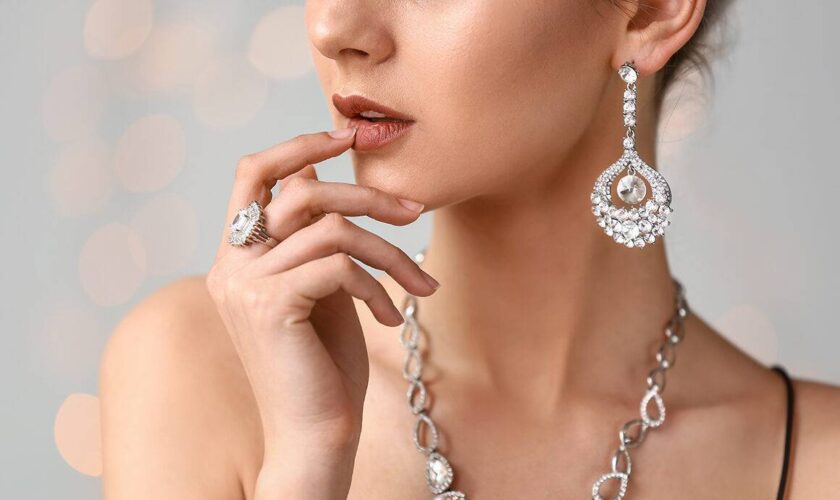
For centuries, fine jewelry has served a dual purpose as both a form of personal adornment and a tangible store of wealth. Unlike fast fashion or consumer electronics, high-quality jewelry crafted from precious metals and natural gemstones often retains significant value over time, sometimes even appreciating as the scarcity of raw materials increases. In 2026, the appeal of “wearable assets” has reached a new peak as individuals look for ways to diversify their portfolios with items that offer emotional utility alongside financial stability. However, entering the world of jewelry investment requires more than just an eye for beauty. It demands a technical understanding of purity standards, gemstone grading, and market liquidity.

Investing in jewelry is distinct from buying gold bullion or trading stocks. It is an art form where craftsmanship, brand heritage, and rarity converge. For a beginner, the goal is to acquire pieces that will stand the test of time, both in terms of physical durability and stylistic relevance. This guide explores the essential components of building a jewelry collection that doubles as a financial hedge.

Understanding the Foundation of Gold

Gold remains the bedrock of the fine jewelry market. When investing in gold jewelry, the most critical factor to understand is the karat system, which measures the purity of the metal. Pure gold is 24 karats, but it is generally too soft for jewelry intended for frequent wear. To increase durability, gold is alloyed with other metals like copper, silver, or zinc.

  • 24K Gold: This is 100 percent pure gold. While it holds the highest intrinsic metal value, it is prone to scratching and bending. It is most commonly found in investment coins or specific traditional Asian bridal jewelry.

  • 18K Gold: Comprising 75 percent gold and 25 percent alloy, 18K is the standard for high-end fine jewelry. It offers a rich, deep yellow color while maintaining enough strength to hold precious gemstones securely.

  • 14K Gold: Containing approximately 58.3 percent gold, 14K is the most popular choice in the United States. it is highly durable and more affordable, though its lower gold content means its “melt value” is lower than 18K or 22K pieces.

When purchasing gold for investment, always look for the hallmark. This is a small stamp on the inside of a ring or the clasp of a necklace that indicates the karatage and often the manufacturer’s mark. In an era of sophisticated plating and “gold-filled” items, verifying the hallmark and purchasing from reputable dealers is non-negotiable for protecting your capital.

The Four Cs of Diamond Investing

Diamonds have long been the centerpiece of the gemstone investment market. While the sentiment “diamonds are forever” is a marketing classic, their investment value is determined by a very specific set of criteria known as the Four Cs: Carat, Cut, Color, and Clarity.

Carat weight is the most obvious factor, but it is not the only one. A larger diamond with poor clarity and color may be worth significantly less than a smaller, “flawless” stone. The cut is perhaps the most important technical aspect, as it determines how the stone reflects light. A “Triple Excellent” cut grade ensures maximum brilliance, which is a primary driver of demand in the secondary market.

For investment purposes, color and clarity are where the nuances lie. Experts generally recommend staying within the D to H color range (colorless to near-colorless) and the FL to VS2 clarity range (flawless to very slightly included). Stones within these parameters are the most liquid, meaning they are easier to resell to jewelers or collectors. Furthermore, always insist on a certificate from a major gemological laboratory, such as the GIA, to verify that the diamond is natural and hasn’t undergone undisclosed treatments to enhance its appearance.

The Rising Value of Colored Gemstones

While diamonds are the traditional choice, the market for “Big Three” colored gemstones—rubies, sapphires, and emeralds—has seen explosive growth. In many cases, a high-quality, unheated pigeon-blood ruby or a cornflower blue sapphire can command a higher price per carat than a colorless diamond.

The value of colored gemstones is heavily dependent on two factors: origin and treatment. A sapphire from Kashmir or an emerald from Colombia carries a historical prestige that adds a significant premium to the price. Furthermore, the vast majority of gemstones on the market today are heat-treated to improve color. “No-heat” stones are incredibly rare and are considered the gold standard for investors because their beauty is entirely natural. As mines are depleted, these untreated stones become finite assets that are highly sought after by connoisseurs.

Designer Heritage and the Secondary Market

Beyond the raw materials, the “maker” of the jewelry plays a massive role in its investment potential. Pieces from iconic heritage houses like Cartier, Van Cleef and Arpels, or Tiffany and Co. often sell for much more than the sum of their parts. This is known as the “brand premium.”

These brands have a history of rigorous quality control and iconic designs that remain in demand for decades. An 18K gold bracelet from a prestigious house may retain 70 to 90 percent of its retail value in the secondary market, whereas an unbranded piece might only be worth its weight in gold. When buying for investment, beginners should consider “signed” pieces with original boxes and papers, as these are the most desirable at auctions and high-end resale platforms.

Avoiding Common Pitfalls for Beginners

One of the biggest mistakes new investors make is confusing “retail value” with “intrinsic value.” When you buy a piece of jewelry from a traditional mall retailer, you are paying for the metal, the gems, the labor, the marketing, and the store’s overhead. The moment you leave the store, the value may drop because you cannot easily resell it for that same retail price.

To mitigate this, savvy investors often look toward the secondary market, estate sales, or reputable auctions. Buying “pre-owned” fine jewelry allows you to acquire the asset closer to its intrinsic or wholesale value. Another pitfall is the rise of lab-grown diamonds. While chemically identical to natural diamonds, lab-grown stones currently do not hold resale value because they can be produced in unlimited quantities. For an investment-focused portfolio, natural, earth-mined stones remain the preferred choice.

Maintaining and Protecting Your Assets

A jewelry investment is only as good as its condition. Gold is a relatively soft metal, and gemstones like emeralds can be brittle. Proper storage is essential; pieces should be kept in lined boxes where they cannot scratch one another. Regular professional inspections are also necessary to ensure that prongs are tight and stones are not at risk of falling out.

Finally, insurance and appraisals are vital. The market prices for gold and precious stones fluctuate. Having an updated appraisal every two to three years ensures that your collection is insured for its current replacement value, protecting you against loss, theft, or damage.

http://googleusercontent.com/image_collection/image_retrieval/1486440741931663525

Frequently Asked Questions

Is platinum a better investment than gold for jewelry?

Platinum is rarer than gold and is more durable, making it excellent for holding stones securely. However, from an investment standpoint, gold generally has a more liquid and transparent market. Platinum jewelry often has a higher labor cost, which can be harder to recoup upon resale compared to the standardized value of gold.

What is the difference between an appraisal and a certification?

A certification, such as one from the GIA, is a technical report that identifies the characteristics of a gemstone (weight, cut, clarity). An appraisal is a document that assigns a monetary value to the entire piece of jewelry for insurance or resale purposes. An investor should ideally have both for any high-value item.

Are “fancy” colored diamonds a good investment for beginners?

Fancy colored diamonds, like pink, blue, or yellow stones, are extremely rare and can be incredible investments. However, they are also highly complex to grade and very expensive. Beginners are usually advised to start with high-quality colorless diamonds or the “Big Three” colored stones before moving into the specialized world of fancy diamonds.

How does the “melt value” of jewelry affect its price?

Melt value is the raw market value of the precious metal content if the jewelry were to be melted down. While fine jewelry should sell for more than its melt value due to design and gemstones, the melt value serves as a “floor” or a minimum price, providing a safety net for the investor.

Why do emeralds often have more visible inclusions than diamonds?

Emeralds are known as “Type III” gemstones, meaning they almost always have natural internal fractures and inclusions, often called a “jardin” or garden. Unlike diamonds, where clarity is paramount, the value of an emerald is primarily driven by its color. An emerald with a vivid green hue and some inclusions is far more valuable than a pale emerald with no inclusions.

Should I buy antique jewelry for investment?

Antique jewelry (over 100 years old) or vintage jewelry (over 20 years old) can be excellent investments because they possess historical value and craftsmanship that is often no longer practiced. However, this requires a high level of expertise to ensure the piece is authentic and hasn’t been heavily repaired with modern, non-period-correct materials.

What is the best way to resell fine jewelry for the highest price?

Selling back to a local jeweler usually results in a lower “buy-back” price. For high-value investment pieces, specialized jewelry auctions or reputable online consignment platforms that cater to collectors typically yield a higher return, as they connect the seller with an audience looking for specific quality markers rather than just raw materials.
read more
Fashion

How Streetwear Conquered the World of Luxury Fashion

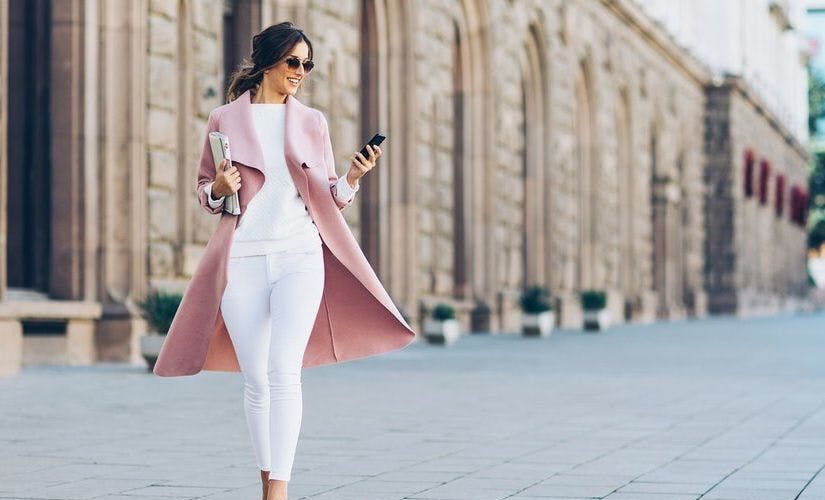
The landscape of high fashion was once a gated community. For nearly a century, the industry was governed by a strict hierarchy where European heritage houses dictated the terms of elegance, craftsmanship, and exclusivity. Luxury was defined by silk ties, tailored suits, and evening gowns—items designed for an elite class that valued tradition over rebellion. However, as we navigate through 2026, that old world has been completely dismantled. Streetwear, once dismissed as the casual uniform of urban subcultures, has not just entered the palace of luxury; it has taken the throne.

The conquest of luxury fashion by streetwear represents more than just a change in silhouettes. It is a profound cultural shift that has redefined what we value in clothing. Today, a limited-edition hoodie can command a higher price and more social prestige than a bespoke blazer. The transition from the sidewalk to the catwalk has changed how brands market themselves, how consumers perceive value, and how the next generation of designers is trained.

The Roots of the Rebellion

To understand how streetwear conquered luxury, one must look at its origins in the 1980s and 90s. Born from the intersection of New York hip-hop, California surf and skate culture, and the burgeoning club scenes of London and Tokyo, streetwear was never intended to be “fashion” in the traditional sense. It was a visual language used by marginalized groups to express identity, community, and resistance.

Early pioneers focused on graphic t-shirts, baseball caps, and oversized denim. The value of these items was not found in the cost of the fabric, but in the scarcity of the “drop” and the authenticity of the brand. While luxury houses were focusing on aspirational lifestyles, streetwear brands were building loyal tribes. This community-centric model created a level of brand devotion that heritage labels could only dream of. By the time the internet began to democratize information, these tribes had grown into a global force that could no longer be ignored.

The Great Convergence: High Meets Low

The turning point for the industry occurred when the luxury sector realized that its traditional customer base was aging out. To remain relevant, brands needed to capture the attention of Millennials and Generation Z, two demographics that viewed traditional formalwear as restrictive and outdated. These younger consumers prized comfort, self-expression, and “hype”—the social currency generated by limited releases and visible branding.

The merger of these two worlds began with strategic collaborations. What started as small, experimental partnerships eventually led to seismic shifts in the industry. High-fashion designers began to incorporate streetwear staples into their collections, elevating them with premium materials. We saw the rise of:

  • Luxury Sneakers: Once relegated to the gym, sneakers became the primary entry point for luxury consumers. Brands began crafting footwear with the same attention to detail once reserved for leather dress shoes.

  • The Elevated Hoodie: By using heavyweight French terry and cashmere blends, designers transformed the humble sweatshirt into a status symbol.

  • Graphic Branding: Luxury logos were reimagined through the lens of street art and graffiti, making them more accessible and visually striking for a social media-driven world.

The Era of the Creative Director as Curator

Perhaps the most visible sign of streetwear’s dominance is the change in who leads the world’s most prestigious fashion houses. The era of the reclusive, classically trained couturier has been replaced by the era of the “curator.” Designers like the late Virgil Abloh, Demna Gvasalia, and Kim Jones proved that understanding cultural energy is just as important as knowing how to drape fabric.

These designers brought a “remix” mentality to luxury. They treated fashion like music, sampling from the past and merging it with the urgency of the present. They understood that in 2026, a brand is not just a manufacturer of goods; it is a media platform. By bridging the gap between high art and the street, they made luxury feel alive, inclusive, and deeply connected to the pulse of global youth culture.

The Logistics of Hype: The Drop Model

Streetwear also revolutionized the business of luxury through the “drop” model. Traditional luxury operated on a seasonal schedule: Spring/Summer and Fall/Winter. Streetwear, however, thrived on constant novelty and artificial scarcity. By releasing small batches of products at frequent, unannounced intervals, brands created a permanent state of desire and urgency.

This model has been widely adopted by luxury houses to combat the slow pace of the traditional fashion calendar. It allows brands to stay in the news cycle year-round and fuels a massive secondary resale market. For the modern consumer, the hunt for the item is often as exciting as the item itself. This shift from “availability” to “access” is a fundamental tenet of the new luxury landscape.

Sustainability and the Future of Streetwear

As streetwear has matured within the luxury space, it has also had to confront the industry’s environmental impact. The “buy-and-toss” nature of hype culture is increasingly at odds with the values of the modern consumer. In response, we are seeing a shift toward “sustainable streetwear.”

Luxury brands are now utilizing recycled nylons, organic cottons, and bio-based leathers to create their urban-inspired collections. Furthermore, the high resale value of luxury streetwear has fostered a circular economy. A high-end streetwear piece is often viewed as an investment rather than a disposable garment, leading to a longer lifecycle and less waste. The future of this movement lies in the balance between the energy of the street and the responsibility of the global luxury industry.

Why the Street Won

Ultimately, streetwear conquered luxury because it offered something that traditional high fashion had lost: a sense of reality. Streetwear is designed for the way people actually live—in transit, in public, and in comfort. It replaced the “costume” of luxury with a “uniform” for the modern world.

In 2026, the distinction between high fashion and streetwear has almost entirely vanished. We now live in a world where a teenager in Tokyo and a businessman in New York can both find common ground in a pair of perfectly designed cargo pants or a limited-edition graphic tee. The street didn’t just join the world of luxury; it redefined it in its own image.

http://googleusercontent.com/image_collection/image_retrieval/1486440741931663525

Frequently Asked Questions

Is streetwear still considered a subculture?

While its roots remain in subcultures like skating and hip-hop, the aesthetic and business model of streetwear have become the global standard for fashion. It is now a multi-billion dollar industry that influences everything from mass-market retail to haute couture.

Why are streetwear items so expensive if they are just casual clothes?

The price of luxury streetwear is driven by a combination of high-quality materials, ethical manufacturing in specialized factories, and, most importantly, brand equity and scarcity. The social value of owning a rare piece often outweighs the material cost.

What is the difference between “hypebeast” culture and streetwear?

Streetwear refers to the actual style and history of the clothing. “Hypebeast” culture is a slang term for the consumer behavior driven by the desire to own the most popular, limited-edition items primarily for social status and reselling potential.

How do I start a streetwear collection without spending a fortune?

Focus on the “classics” first. Look for high-quality basics from reputable independent brands that prioritize construction over logos. Shopping the secondary market through trusted resale platforms is also a great way to find iconic pieces at a lower entry price.

Can streetwear be worn in a professional setting?

Yes. The “workwear” branch of streetwear, which includes high-end flannels, structured chore coats, and clean-cut chinos, has become widely accepted in modern, creative office environments. The key is to balance casual items with more tailored pieces.

How has the resale market changed the way we buy luxury clothes?

The resale market has turned clothing into a liquid asset. Consumers are now more willing to spend a high amount on a luxury streetwear item because they know it will likely retain or even increase in value, allowing them to “trade up” later.

Will the luxury streetwear trend ever end?

While specific trends like oversized logos or certain sneaker silhouettes may fade, the underlying shift toward comfort, casualization, and community-driven branding is a permanent change in how the fashion industry operates.

read more
Fashion

What Should You Look for in the Perfect Weekender Bag?

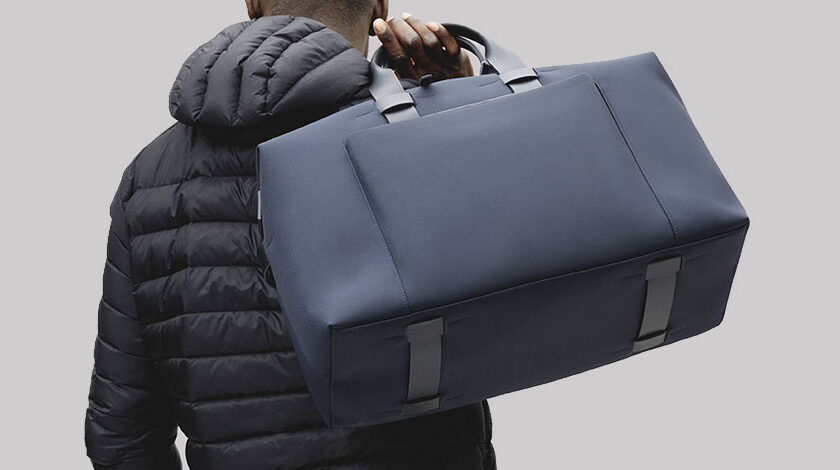
A weekender bag is a medium-to-large travel bag – typically 35-55 litres – designed to carry two to three nights’ worth of essentials without checking luggage. The best weekender bags combine structured capacity with carry-on dimensions, smart interior organisation, and durable construction that holds up across dozens of trips annually.

Two nights. One bag. No checked luggage. That is the weekender brief. It sounds simple. Finding a bag that actually meets it – with the right capacity, the right organisation, the right materials, and the right aesthetic – is harder than most people expect.

Most weekender bags compromise somewhere. Too small for real packing. Too large for the overhead bin. Great looking but structurally weak. Functional but visually forgettable.

Rustic Town builds leather weekender bags that do not compromise. Full-grain leather, artisan construction, sized for real trips – not theoretical ones. Browse the range at: www.rustictown.com

What Size Should a Weekender Bag Be?

Size is the first decision – and the most consequential. Too small and you are re-wearing clothes or checking a second bag. Too large and you are gate-checking it or dragging something unwieldy through a hotel lobby. The target range for a true weekender is 35-55 litres, with 40-50 being the most practical sweet spot.

At 40-45 litres you can pack: 2-3 changes of clothes, toiletry bag, shoes (one pair, base of bag), laptop or tablet, chargers and cables, and a light jacket. That is a real two-night trip, packed properly. No checking. No gate-check anxiety. Just carry-on confidence.

What Materials Make the Best Weekender Bag?

Material Durability Structure Aesthetics Lifespan
Full-grain leather Exceptional Excellent Classic, improves with age 15-20+ years
Top-grain leather Very good Good Smart, consistent 8-12 years
Canvas (waxed) Good Moderate Casual, weathers well 5-10 years
Nylon/polyester Good Variable Functional, fades 3-5 years
Faux leather Poor Poor Initially convincing 1-2 years

How Should a Weekender Bag Be Organised Inside?

Organisation is where most leather weekender bags reveal their limitations. A bag that looks great on the outside but requires unpacking everything to find your charger is a practical failure.

The ideal weekender interior: Main compartment – large, open, and structured. Exterior zip pocket – quick access for passport, phone, boarding pass. Interior zip pocket – secure storage for valuables. Shoe compartment or base section – keeps shoes separate from clothes. Laptop sleeve – essential for anyone who travels with a computer.

Rustic Town’s weekender bags include thoughtful interior organisation that reflects how people actually pack – not how a design brief imagines they do.

What Is the Difference Between a Weekender Bag and a Duffle Bag?

Feature Weekender Bag Duffle Bag
Primary purpose 2-3 night travel Multi-use: travel, gym, daily
Size range 40-55 litres 25-60 litres
Organisation More structured, more pockets Often simpler interior
Shape Often more rectangular/structured Typically cylindrical
Carry options Handles + shoulder strap + trolley sleeve Handles + shoulder strap
Aesthetic Smart-casual to formal Casual to smart-casual

How Do You Pack a Weekender Bag Efficiently?

Shoes first, base of bag.

They are the heaviest and most awkward item. Base placement keeps the bag balanced.

Roll clothes, do not fold.

Rolling is more compact, reduces wrinkles, and fills the bag more efficiently than flat folding.

Toiletry bag in exterior pocket.

Quick access for security and hotel check-in. Keeps liquids separate from clothes.

Tech in the laptop sleeve or top pocket.

Chargers in a small cable organiser – never loose in the main compartment.

One versatile layer on top.

A light jacket or knitwear that doubles as travel comfort and an outfit layer.

Why Is a Rustic Town Leather Weekender Bag Worth the Investment?

A Rustic Town leather weekender is built from full-grain, vegetable-tanned leather – the grade that develops patina rather than peeling, that holds its structure after a hundred trips, that looks better at year five than it did at purchase.

The construction is artisan-level: double-stitched seams, solid metal hardware, a reinforced base that keeps the bag standing. The interior is properly organised. The aesthetic is clean and classic – a leather weekender that works in a taxi, an airport, a hotel lobby, and a friend’s spare room with equal ease.

Explore the full weekender range at Rustic Town: www.rustictown.com

Frequently Asked Questions: Weekender Bags

Q: What is the ideal size for a weekender bag for a two-night trip?

A: 40-45 litres is the sweet spot – large enough for a full two-night pack including shoes, compact enough for most carry-on overhead bins.

Q: Can a leather weekender bag be used as carry-on luggage?

A: Yes – most 40-45 litre soft-sided leather weekenders fit within carry-on dimensions for major airlines. Always check specific airline size restrictions before travel.

Q: What is the best material for a weekender bag?

A: Full-grain leather for longevity and aesthetics. Canvas or waxed cotton for a lighter, more casual option. Avoid faux leather – it does not hold up to regular travel use.

Q: How do I keep a leather weekender bag looking good over time?

A: Condition every 3-6 months with a quality leather conditioner, store stuffed to maintain shape, and wipe surface dirt promptly with a slightly damp cloth.

Q: Is a leather weekender bag too heavy for regular travel?

A: A full-grain leather weekender typically weighs 1.5-2kg empty – heavier than nylon but manageable for carry-on travel. The weight is the trade-off for a bag that lasts decades.

Q: What should I look for in a weekender bag for men?

A: Structured shape, 40-50 litre capacity, solid hardware, interior organisation including a shoe compartment, and full-grain leather construction. Rustic Town’s men’s weekender range covers all of these.

Q: Can a weekender bag be personalised?

A: Rustic Town offers monogramming and personalisation on select weekender models. Initials on a leather weekender is a strong gifting option for birthdays, Father’s Day, or graduation.

The Bottom Line: A great leather weekender bag is not just about carrying things. It is about moving through the world with the quiet confidence that comes from carrying something built properly. Rustic Town’s leather weekenders deliver that. Every trip, every time.

read more