close

Kevin Brandon

Apparel

The Rise of Adaptive Apparel for People with Disabilities

For most of fashion history, the industry has designed for a singular, idealized body type, often ignoring the practical needs of millions of individuals living with physical, sensory, or cognitive disabilities. However, we are currently witnessing a profound cultural and industrial shift. Adaptive apparel, once a niche medical necessity found only in specialized catalogs, has moved into the mainstream. In 2026, the global fashion market is finally recognizing that style and accessibility are not mutually exclusive. This movement is not just about utility; it is about dignity, autonomy, and the fundamental right to self-expression through clothing.

Adaptive fashion refers to garments and footwear specifically engineered to make dressing easier for people with a wide range of needs. This includes individuals who use wheelchairs, those with prosthetic limbs, people with limited manual dexterity due to arthritis or tremors, and those with sensory processing sensitivities. By rethinking the very architecture of a garment, designers are removing the physical barriers that have long made the simple act of getting dressed a daily struggle.

The Evolution of Inclusive Design

The journey toward inclusive fashion began with grassroots efforts and small, disability-led brands that recognized a massive gap in the market. Historically, clothes for people with disabilities were “functional” in the most clinical sense, often resembling hospital scrubs or shapeless sacks. They lacked aesthetic appeal, forcing consumers to choose between looking good and being able to dress themselves independently.

The breakthrough occurred when major global retailers began to adopt Universal Design principles. Universal Design is the concept of creating products that are usable by the widest possible range of people, regardless of their ability level. When a brand replaces a difficult-to-manipulate button with a hidden magnetic closure, they aren’t just helping someone with Parkinson’s; they are also helping an elderly person with stiff joints or even a parent trying to dress a squirming toddler. This “curb-cut effect” has helped normalize adaptive features, proving that inclusive design improves the experience for everyone.

Key Innovations in Adaptive Construction

Modern adaptive apparel relies on clever engineering and the use of advanced materials to solve specific pain points. These innovations are often invisible to the naked eye, allowing the wearer to maintain a sleek, “standard” appearance while benefiting from specialized functionality.

  • Magnetic Closures: Replacing traditional buttons and zippers with high-strength magnets allows garments to be fastened with one hand or with minimal grip strength. These magnets are often hidden behind a decorative “dummy” button to maintain a classic look.

  • Seated-Fit Tailoring: Clothes designed for wheelchair users are cut differently. They feature a higher back rise to prevent the waist from slipping down, shorter front lengths to reduce fabric bunching at the lap, and the removal of pockets or seams from the seat area to prevent pressure sores.

  • Easy-Access Openings: Side-seam openings, VELCRO closures at the shoulders, and zip-around pant legs allow for easier dressing for those with limited mobility or those who use prosthetics and braces.

  • Sensory-Friendly Materials: For individuals with autism or sensory processing disorders, tags, rough seams, and certain textures can be physically painful. Adaptive lines often feature tagless labels, flat-locked seams, and ultra-soft, breathable fabrics to minimize irritation.

  • Adjustable Hemlines: Magnetic or snap-up hems allow pants to be shortened or lengthened easily, accommodating different heights or the use of leg braces and prosthetic limbs.

The Economic and Social Impact of Accessibility

The rise of adaptive apparel is not just a moral victory; it is a savvy business move. According to global health data, over one billion people worldwide live with some form of disability. This demographic, along with their families and caregivers, represents a massive market with significant purchasing power. As the global population ages, the demand for clothing that accommodates mobility challenges will only continue to grow.

Beyond the numbers, the social impact of adaptive fashion is transformative. For many people with disabilities, the inability to dress oneself is a significant barrier to independence. Adaptive clothing empowers individuals to manage their own morning routines, which in turn boosts self-esteem and mental well-being. It also facilitates greater participation in the workforce and social activities. When a person no longer has to worry about the physical difficulty of their outfit, they can focus their energy on their career, their hobbies, and their community.

Representation and the New Face of Fashion

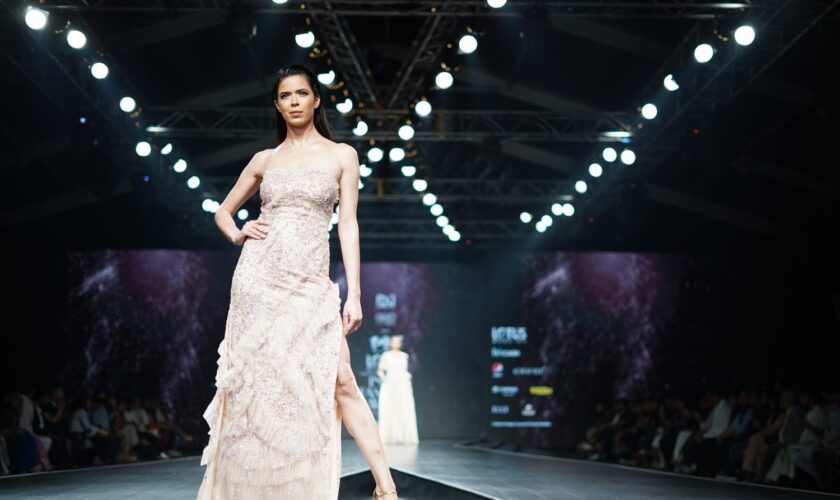
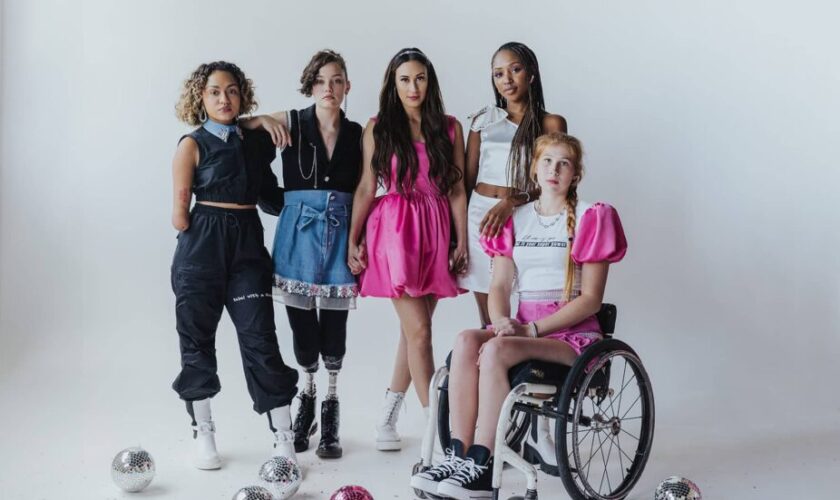
A critical component of this rise has been the shift in representation. In 2026, it is no longer uncommon to see models with visible disabilities in major advertising campaigns and on international runways. This visibility is essential for de-stigmatizing disability. When a luxury house features a model with a prosthetic limb or a person using a sleek, carbon-fiber wheelchair, it sends a powerful message that beauty and fashion belong to everyone.

This representation also extends to the design room. Many of the most successful adaptive brands are founded or led by people with lived experience of disability. This “nothing about us without us” approach ensures that the products are truly effective. Designers who understand the frustration of a zipper that won’t stay up or a waistband that digs in while sitting are uniquely positioned to create elegant solutions that others might overlook.

The Role of Technology and Customization

Technology is playing a pivotal role in the future of adaptive apparel. 3D body scanning and AI-driven sizing tools allow for a level of customization that was previously impossible at a mass-market scale. A customer can scan their body using a smartphone, and a garment can be digitally altered to fit their specific proportions or medical equipment.

Furthermore, “smart” adaptive clothing is on the horizon. This includes fabrics that can monitor vital signs or regulate temperature for individuals with spinal cord injuries who may have difficulty with thermoregulation. We are also seeing the integration of haptic feedback in clothing to assist those with visual impairments in navigating their environment. These advancements are blurring the lines between fashion, technology, and healthcare.

Challenges and the Path Forward

While the progress is significant, challenges remain. Price points for adaptive clothing can still be higher than standard lines due to the complexity of the construction and smaller production runs. There is also a need for more education among retail staff and better in-store infrastructure, such as larger, more accessible fitting rooms.

However, the momentum is undeniable. High-street retailers, luxury conglomerates, and sportswear giants are all entering the space. As competition increases and production scales, adaptive features will likely become standard across more collections. The goal is a future where the “adaptive” label is no longer necessary because inclusivity is baked into every garment from the initial sketch to the final stitch.


Frequently Asked Questions

Are adaptive clothes only for people with permanent disabilities?

No. Adaptive apparel is also extremely beneficial for people recovering from surgery, individuals with temporary injuries like a broken arm, or elderly individuals who may experience a natural decline in fine motor skills. Anyone who finds traditional fasteners or cuts difficult to manage can benefit from these designs.

Can adaptive clothing be washed like regular laundry?

Most adaptive clothing is designed for easy care. Items with magnetic closures are typically machine washable, though it is usually recommended to close the magnets before washing to prevent them from sticking to the drum or other clothes. Sensory-friendly and high-performance adaptive gear usually follows standard washing instructions for synthetic or blended fabrics.

How do I find my size in seated-fit clothing?

Sizing for seated-fit apparel can be different because the garments are cut for a body in a seated position. Many brands provide specific measurement guides that focus on the waist-to-knee length and the rise of the trousers. It is important to measure while sitting down to ensure the most accurate fit.

Does adaptive fashion cost more than regular fashion?

Currently, some adaptive items may carry a slight premium due to the specialized hardware like magnets or the increased labor required for complex patterns. However, as major retailers like Target and Tommy Hilfiger expand their lines, prices are becoming more comparable to standard apparel.

Is it possible to turn regular clothes into adaptive clothes?

Yes, there is a growing market for adaptive alterations. Local tailors can often replace zippers with magnets or VELCRO, and there are DIY kits available for home use. However, professionally designed adaptive gear is usually superior because the entire silhouette of the garment is engineered for a specific need.

How does adaptive clothing help with sensory issues?

Sensory-friendly clothing eliminates common triggers such as scratchy lace, protruding seams, and stiff fabrics. By using seamless construction and printed labels instead of physical tags, these garments reduce the “tactile defensiveness” that many people with sensory processing disorders experience, leading to a much calmer daily experience.

What should I look for when buying adaptive shoes?

Look for shoes with “step-in” technology that requires no hands, or those with wrap-around zippers that allow the entire top of the shoe to open. This is particularly helpful for individuals who wear AFOs (Ankle-Foot Orthotics) or those who cannot bend over to tie laces. Flexibility and a wide toe box are also key features for comfort.

read more
Apparel

The Tech Behind Moisture-Wicking Fabrics in Modern Apparel

The transition from heavy, water-logged cotton gym shirts to the sleek, high-performance apparel of 2026 represents one of the most significant engineering triumphs in textile history. For the modern athlete, commuter, or outdoor enthusiast, moisture-wicking technology is a silent partner that manages body temperature and enhances comfort. While it may feel like simple magic, the science behind these fabrics involves a complex interplay of polymer chemistry, capillary action, and advanced mechanical engineering at the microscopic level.

Understanding how these garments work requires looking past the brand names and deep into the architecture of the fibers themselves. Modern apparel is no longer just a covering; it is a dynamic system designed to interact with the human body’s most effective cooling mechanism: sweat.

The Foundation of Capillary Action

At the heart of moisture-wicking technology is a physical phenomenon known as capillary action. This is the same process that allows a paper towel to soak up a spill or water to travel from the roots of a tree to its highest leaves. In the context of clothing, capillary action occurs when the surface tension of a liquid is strong enough to pull it through the narrow spaces between fibers.

Natural fibers like cotton are hydrophilic, meaning they love water. Cotton fibers are hollow and absorbent, pulling moisture into the center of the fiber where it becomes trapped. This causes the garment to grow heavy, lose its shape, and remain wet for hours. In contrast, moisture-wicking fabrics are engineered to be hydrophobic, or water-fearing. They do not want to absorb the moisture into the fiber itself. Instead, they use the narrow channels between the fibers to transport the liquid from the skin to the outer surface of the fabric where it can evaporate.

Synthetic Polymers and Fiber Cross-Sections

The most common material used in moisture-wicking apparel is polyester. While early iterations of synthetic clothing were criticized for being “plastic-like” and non-breathable, 2026-era polyester is a marvel of chemical engineering. Manufacturers have moved away from simple, round fiber shapes in favor of complex cross-sections.

Standard fibers are typically round, which limits the surface area available for moisture transport. High-performance yarns are extruded into specific shapes—such as trilobal, cross, or hexalobal patterns. These shapes create deep grooves or channels along the length of each fiber. These microscopic trenches act like high-speed gutters, pulling sweat away from the skin via the aforementioned capillary action. By increasing the surface area of the yarn, these shapes also provide more space for the moisture to spread out once it reaches the outer layer, which significantly accelerates the rate of evaporation.

The Dual-Layer Construction

Top-tier technical apparel often utilizes a bi-component or dual-layer knit construction to maximize efficiency. This design mimics a one-way valve for moisture. The inner layer, which sits directly against the skin, is composed of large, hydrophobic fibers that repel liquid. When you sweat, these fibers push the moisture away immediately.

The outer layer is often a tighter knit or may even contain slightly more absorbent properties to “pull” the moisture from the inner layer. This creates a pressure gradient. Because the moisture has nowhere to go on the hydrophobic inner side, it is forced toward the outer surface. Once the sweat reaches the exterior, it spreads across a wide area. Because the surface area is maximized and exposed to the moving air, the liquid transitions from a liquid to a vapor almost instantly. This process, known as evaporative cooling, is what actually lowers the wearer’s body temperature.

Mechanical vs. Chemical Wicking

It is important to distinguish between fabrics that have inherent wicking properties and those that have been treated with chemical finishes.

  • Mechanical Wicking: This is the gold standard of performance apparel. The moisture management is built into the physical structure of the knit and the shape of the fibers. Because it is a physical property, it never washes out or degrades over time.

  • Chemical Finishes: Some entry-level “performance” shirts are made of standard round-fiber polyester treated with a hydrophilic coating. This coating helps spread moisture initially, but the effectiveness usually fades after 20 to 30 laundry cycles.

As we move further into 2026, the industry has largely shifted toward mechanical wicking and plasma treatments. Plasma technology involves bombarding the fabric with ions to alter its surface energy at a molecular level, making it permanently more effective at moving water without the need for thick, temporary coatings.

Odor Management and Antimicrobial Integration

A common byproduct of moisture-wicking synthetic fabrics is the tendency to retain odors. While the fabric moves the sweat away, the bacteria that thrive in warm, moist environments can get trapped in the microscopic grooves of the synthetic fibers. To combat this, modern apparel tech integrates antimicrobial agents directly into the polymer melt before the fibers are even extruded.

Silver ion technology and copper-infused yarns are the most prevalent solutions. These metal ions disrupt the cellular membranes of odor-causing bacteria, preventing them from colonizing the garment. This ensures that the shirt remains fresh even after high-intensity activities, reducing the frequency of washing and extending the lifespan of the garment.

The Role of Thermoregulation

Moisture-wicking is only one part of the broader science of thermoregulation. Modern garments often use body-mapping technology, where different knit patterns are used in different areas of the body. For instance, the back and underarms may feature a more open mesh structure to allow for maximum airflow, while the chest and shoulders use a tighter weave for durability and wind protection.

By keeping the skin dry, these fabrics prevent the “chilled” feeling that occurs when wet clothing sits against the body in a breeze. In cold weather, moisture-wicking is just as vital as it is in the heat; it prevents sweat from turning into a cold, insulating-layer-killing liquid that can lead to hypothermia during periods of rest.

Future Horizons: Smart Fabrics and Beyond

Looking toward the future of 2026 and beyond, we are seeing the emergence of “responsive” moisture-wicking. These fabrics contain polymers that physically expand or contract based on humidity levels. When the wearer begins to sweat, the fibers open up to increase breathability. As the wearer cools down and the humidity drops, the fibers close to retain body heat. This level of dynamic interaction ensures that the apparel is always providing the optimal microclimate for the human body.


Frequently Asked Questions

Does moisture-wicking fabric work in high humidity?

While moisture-wicking fabrics still move sweat away from the skin in humid conditions, the evaporation process on the outer layer slows down. Since the surrounding air is already saturated with moisture, the sweat cannot turn into vapor as quickly, which may make the garment feel damp even if it is functioning correctly.

Can you use fabric softener on moisture-wicking clothes?

It is highly recommended to avoid fabric softeners. Softeners work by leaving a waxy coating on the fibers to make them feel soft. This coating clogs the microscopic channels and grooves that facilitate capillary action, effectively “turning off” the moisture-wicking capabilities of the garment.

Is Merino wool considered a moisture-wicking fabric?

Yes, but it works differently than synthetics. Merino wool is “hygroscopic,” meaning it absorbs moisture into the core of the fiber but the exterior remains hydrophobic. It can hold up to 30% of its weight in water without feeling wet to the touch, and it naturally manages moisture and odors very effectively.

How should I wash technical moisture-wicking apparel to maintain its tech?

Wash these garments in cold water with a mild detergent and avoid high heat in the dryer. Heat can damage the synthetic polymers and the specific fiber shapes that enable mechanical wicking. Air drying is usually the best option for performance longevity.

Is there a difference between “dry-fit” and moisture-wicking?

“Dri-FIT” is a specific brand name used by Nike for their moisture-wicking technology. Most athletic brands have their own trademarked names for these fabrics, but the underlying science of using synthetic fibers and capillary action remains largely the same across the industry.

Do moisture-wicking shirts provide UV protection?

Many do, but it depends on the density of the knit. Because moisture-wicking fabrics are often lightweight and sometimes have open mesh structures, they may have lower UPF (Ultraviolet Protection Factor) ratings unless specifically treated or tightly woven to block solar radiation.

Why do some moisture-wicking shirts feel heavy after a long workout?

This usually happens if the rate of sweat production exceeds the fabric’s rate of evaporation. If the environment is poorly ventilated or the activity is extremely intense, the “reservoir” of the fabric becomes saturated. This is why choosing the correct weight of fabric for the specific activity is crucial.

read more
Fashion

How to Host a High-Fashion Dinner Party on a Budget

The concept of high fashion often evokes images of extreme opulence, exclusive guest lists, and astronomical price tags. However, the true essence of fashion is not about the cost of the materials, but the creativity, curation, and intentionality behind the presentation. In the current social climate of 2026, the most admired hosts are those who can achieve a sophisticated, editorial aesthetic without excessive spending. A high-fashion dinner party is defined by a strong visual theme, a focus on sensory details, and an atmosphere that feels like a curated gallery opening rather than a standard social gathering.

Hosting such an event on a budget requires a shift in perspective. Instead of purchasing luxury, you are manufacturing it through clever DIY solutions, strategic lighting, and a commitment to a singular vision. By prioritizing style over scale, you can create an evening that feels incredibly expensive and exclusive while remaining fiscally responsible.

Defining a Strong Visual Concept

Every high-fashion event begins with a mood board. To keep costs low, you must lean into a specific aesthetic that utilizes what you already have or what can be sourced cheaply. A cohesive theme acts as a mask for budget constraints; if every element follows a strict color palette or stylistic era, the overall effect looks intentional rather than improvised.

Consider a Minimalist Monochrome theme. By sticking strictly to black and white, even the simplest items—like plain white plates on a black tablecloth—take on a high-end, architectural quality. Alternatively, a Neo-Baroque theme allows you to use mismatched vintage finds from thrift stores, unified by a heavy dose of candlelight and dark, moody florals. The key is to avoid the middle ground. High fashion lives in the extremes: either hyper-minimal or decadently maximal.

The Architectural Tablescape

The table is the runway of your dinner party. It is the central piece of performance art where your guests will spend the majority of their time. To create a high-fashion look without a designer price tag, focus on height, texture, and negative space.

Instead of a traditional floral centerpiece, which can be incredibly costly, look toward sculptural elements. A single, large architectural branch in a tall vase creates more visual drama than a dozen roses. You can also use unconventional materials as table runners. A length of raw, unhemmed black denim or a strip of industrial metallic foil can provide a high-fashion edge that standard linens lack.

  • Layering Textures: Mix matte ceramics with polished glassware. The contrast between different surfaces creates a sophisticated tactile experience.

  • Repurposing Fashion Elements: Use strips of velvet ribbon or leather cords as napkin rings. These small nods to the garment industry reinforce the fashion theme.

  • The Power of Repetition: Instead of one large arrangement, place ten identical single stems in small glass bottles down the center of the table. This repetitive, clinical look is a staple of high-end runway sets.

Lighting as a Transformative Tool

Lighting is the most cost-effective way to change the perceived value of a space. High-fashion environments rarely rely on overhead lights, which are often harsh and flattening. To mimic the atmosphere of a luxury lounge or an after-party, you must layer your light sources.

Lower the lights as much as possible and rely on a sea of candles. Unscented pillar candles of varying heights can be grouped on the floor or on side tables to create a glow that softens features and hides any imperfections in the room. If you want a more modern, avant-garde look, consider using colored LED bulbs in a single hue, such as a deep violet or a sharp amber, to wash one wall in color. This mimics the lighting design of a runway show and instantly elevates the mood from a domestic home to a curated venue.

Curation of the Menu

A high-fashion menu is not about a dozen courses; it is about the visual presentation of a few perfectly executed dishes. In 2026, the trend in elite dining has moved toward “visual minimalism.” This means serving food that looks like a still-life painting.

Focus on ingredients that have natural structural beauty. Radical simplicity, such as a single perfectly roasted heirloom carrot served on a large white plate with a geometric swipe of sauce, looks more fashionable than a crowded plate of traditional party food. Use color as a tool. A monochromatic salad of all-green ingredients (cucumber, snap peas, mint, and green apple) looks like a deliberate design choice rather than just a side dish.

To save money on beverages, skip the full bar and create one “signature couture cocktail.” This allows you to buy ingredients in bulk and control the aesthetic of the glassware. Garnishes should be minimalist and sharp—a single long sliver of cucumber or a sprig of dried lavender—to maintain the high-fashion editorial look.

The Dress Code as Decor

In a high-fashion dinner party, the guests are part of the scenery. By setting a specific and challenging dress code, you outsource a significant portion of the evening’s visual impact to your attendees. Instead of a general “formal” request, give them a creative prompt that aligns with your theme.

Requests such as “Avant-Garde Architectural,” “Liquid Metallics,” or “Vintage 90s Minimalism” encourage guests to dig through their closets or thrift for unique pieces. When your guests arrive dressed to a specific theme, it creates an immersive environment that feels like a fashion week event. The collective effort of the group elevates the atmosphere far more than expensive catering ever could.

Soundscape and Atmosphere

Music is the invisible thread that holds the high-fashion theme together. Avoid mainstream hits, which can make the evening feel like a standard party. Instead, look for runway soundtracks or ambient electronic music that provides a rhythmic but unobtrusive backdrop.

The volume should be just high enough to fill the gaps in conversation but low enough to allow for intimate speaking. The goal is to create a “sound wash” that makes the room feel full and vibrant even if the guest list is small. If your theme is more classical or gothic, a looped track of cello compositions can add a layer of intellectual gravity to the dinner.

http://googleusercontent.com/image_collection/image_retrieval/1486440741931663525

Frequently Asked Questions

How can I handle the cost of wine without sacrificing quality?

Focus on “boutique” labels from lesser-known regions. Wines from areas like Portugal, Greece, or certain parts of the US East Coast often offer high-end complexity at a fraction of the cost of a famous French Bordeaux. Additionally, decanting any wine into a sleek, minimalist glass decanter immediately increases its perceived value.

What is the best way to handle invitations on a budget?

Digital invitations are not only cost-effective but can be more stylish if designed correctly. Use a minimalist design tool to create a high-contrast, text-heavy invite that looks like a fashion show program. If you prefer physical invites, a single card printed in bold black typography on heavy white cardstock is more fashionable than a colorful, expensive store-bought set.

How do I prevent the table from looking cluttered if I have a lot of guests?

Embrace the “Scandinavian long table” style. Keep the center of the table completely clear of everything except your minimalist decor. Serve the food “family style” from a side buffet or bring out plated courses one by one. This maintains the clean lines of the tablescape throughout the evening.

What are some cheap ways to provide high-fashion party favors?

Consider “edible art.” A single, high-quality dark chocolate square wrapped in black tissue paper and tied with a gold thread is a sophisticated parting gift. Alternatively, a small printed card with a curated “seasonal playlist” or a poem that fits the evening’s theme provides a lasting intellectual connection to the event.

Can I host a high-fashion party in a small apartment?

Exclusivity is a hallmark of high fashion. A small space can be rebranded as “intimate and clandestine.” Use furniture to create a single long runway-style table, or if you lack a table, create a “floor salon” with cushions and low lighting. The constraint of the space can be used as a stylistic choice.

What is the most common mistake people make when trying to look high-fashion?

The most common mistake is over-accessorizing. High fashion is about a few bold, clear statements rather than a lot of small, busy details. If you feel like your table or your room is getting too cluttered, remove two items. The power of negative space is what separates luxury from the mundane.

How do I manage the cleanup without breaking the mood at the end of the night?

In a high-fashion setting, the party should end while the mood is still high. Once the final course is finished, move the guests to a separate “lounge” area for coffee or a final drink. This allows the dining table to remain as a “staged” piece of art, and you can handle the actual cleanup after the guests have departed.

read more
Fashion

The Shift from Elite Exclusivity to Cultural Relevance

The relationship between high-fashion runways and the pavement of city streets has undergone a radical transformation. For decades, the fashion industry operated under a strict vertical hierarchy known as the trickle-down effect. In this model, prestigious design houses in Paris and Milan dictated the trends, which were then gradually adapted by mass-market retailers for the general public. However, the modern era has seen a complete reversal of this flow. Today, the street often dictates the runway, creating a symbiotic loop where luxury houses look to urban subcultures for inspiration, and everyday consumers demand high-fashion quality in their casual wardrobes.

Historically, high fashion was defined by its distance from the common person. It was an elite world of made-to-order gowns and rigid silhouettes that prioritized status over comfort. The evolution began in the mid-20th century as youth culture started to exert its influence. By the 1990s, the emergence of streetwear—a style rooted in hip-hop, skateboarding, and surf culture—began to challenge the dominance of traditional couture.

This movement was not born in a design studio but on the sidewalks of New York, Los Angeles, and Tokyo. It prioritized oversized fits, graphic messaging, and a sense of community. As these subcultures grew in global influence, luxury brands realized that to remain relevant to a younger, more diverse demographic, they had to embrace the very aesthetics they once dismissed as casual or unrefined.

The Rise of Luxury Streetwear

The most significant turning point in this evolution was the birth of luxury streetwear. This hybrid category proved that hoodies, sneakers, and t-shirts could be elevated to the level of high art through superior craftsmanship and limited-edition releases. Iconic collaborations, such as the 2017 partnership between a heritage luxury house and a legendary New York skate brand, bridged the gap between these two worlds permanently.

This convergence was fueled by a new generation of designers who treated streetwear with the same reverence as tailoring. Figures like Virgil Abloh and Demna Gvasalia brought a “street-first” mentality to the world’s most prestigious fashion houses. They introduced:

  • Oversized Silhouettes: Moving away from the slim, tailored cuts of the early 2000s toward voluminous, comfortable shapes.

  • Logo Mania: Utilizing brand emblems not just as tags but as the central aesthetic element of a garment.

  • Industrial Materials: Incorporating nylon, plastic, and heavy-duty hardware into luxury accessories.

  • The Drop Model: Adopting the streetwear method of releasing limited quantities of items at specific times to create artificial scarcity and high demand.

Technology and the Digital Front Row

In the year 2026, the traditional runway show is no longer the sole gatekeeper of what is considered fashionable. Social media has become the “new runway,” where trends are born, tested, and validated by millions before they ever hit a catwalk. Platforms like TikTok and Instagram have democratized fashion discovery, allowing micro-trends to go viral overnight.

This digital shift has forced high-fashion brands to become more agile. Designers now use data-driven insights to understand what styles are resonating with urban youth. The “get ready with me” (GRWM) culture on video platforms provides a real-time feedback loop, showing designers how people actually wear their clothes in daily life. This has led to the rise of “utilitarian luxury,” where high-end garments are designed with practical features like multiple pockets, weather-resistant fabrics, and convertible components.

Sustainability and the New Value System

As high fashion and street style continue to merge, the values of the consumer are shifting. Modern enthusiasts are less concerned with pure status and more focused on brand ethics. Both luxury houses and streetwear labels are being held to higher standards regarding environmental impact and social responsibility.

  • Circular Fashion: The rise of high-end resale markets means that garments are now viewed as investments with a longer lifecycle.

  • Material Innovation: High fashion is increasingly adopting bio-based fabrics and recycled materials originally popularized by eco-conscious street brands.

  • Authenticity: Consumers are moving away from “polished” marketing in favor of raw, unedited content that reflects a brand’s true identity.

The Globalization of Style

The evolution of runway trends is no longer confined to the “Big Four” fashion capitals. The influence of South Korean “K-Style,” the vibrant textiles of West Africa, and the avant-garde minimalism of Scandinavia have all filtered into the global high-fashion conversation. These regional street styles offer a fresh perspective that prevents the industry from becoming stagnant.

Luxury brands are now catering to a “global citizen” who might wear a tailored Italian blazer with Japanese raw denim and limited-edition sneakers from a collaboration between a tech giant and a sportswear brand. This eclectic mix defines the current era, where the boundaries between high and low, formal and casual, and local and global have largely evaporated.

The Future of the Fashion Loop

Looking forward, the interaction between the runway and the street will likely become even more integrated through augmented reality and artificial intelligence. We are entering an era where digital-only garments can be “worn” on social media before they are ever physically produced, allowing the street—or the digital equivalent of it—to vote on trends in advance.

The evolution of runway trends confirms that fashion is no longer a one-way conversation. It is a vibrant, chaotic, and democratic dialogue. High fashion provides the craftsmanship and the artistic vision, while the street provides the energy, the context, and the cultural soul. As long as people continue to use clothing as a tool for self-expression, the pavement will remain the most influential catwalk in the world.

Frequently Asked Questions

What is the trickle-up theory in the fashion industry?

The trickle-up theory suggests that fashion trends often originate from lower-income groups, youth subcultures, or the “street” and are eventually adopted by high-fashion designers and the wealthy elite. This is the opposite of the traditional trickle-down model where trends start with the upper class.

Why did luxury brands start collaborating with streetwear labels?

Luxury brands began these collaborations to tap into the cultural relevance and loyal following of streetwear communities. It allowed heritage houses to reach younger demographics and modernize their image without losing their reputation for exclusivity.

How has social media changed the way runway shows are designed?

Designers now create “viral moments” specifically intended for social media sharing. This includes dramatic set designs, unconventional locations, and garments that translate well to smartphone screens, ensuring the collection reaches a global audience instantly.

Is streetwear still considered a subculture in 2026?

While streetwear has its roots in subcultures like skating and hip-hop, it has become a dominant global fashion category. However, many “authentic” streetwear enthusiasts still identify with the original subcultures, creating a distinction between mass-market streetwear and niche, community-driven brands.

What role does comfort play in modern high fashion?

Comfort has become a primary driver of high fashion. The “athleisure” and streetwear movements have normalized relaxed fits, elastic waistbands, and technical fabrics in luxury settings, reflecting a broader societal shift toward practical, versatile clothing.

How do limited-edition “drops” affect fashion consumption?

The “drop” model creates a sense of urgency and exclusivity. By releasing small quantities of highly coveted items, brands can maintain high demand and a strong secondary resale market, which often keeps the brand’s value higher over time compared to mass-produced collections.

Can a trend start on the street and reach the runway in the same season?

Yes, due to the speed of digital communication, the cycle has shortened significantly. Designers and trend forecasters monitor social media daily, allowing street-inspired aesthetics to be integrated into collections almost in real-time through “capsule” releases or mid-season updates.

read more
Fashion

Most popular sunglasses of all time

Some styles disappear as quickly as they arrive, while others settle into culture and stay there for decades. The most popular sunglasses of all time have done exactly that. They have shaped film characters, defined fashion eras and become a kind of visual shorthand for personality. What makes these frames so enduring is not only design but story. Each pair carries a moment in culture that people want to relive every time they put them on.

The aviator and its unmistakable history

Few designs have a clearer backstory than the aviator. Originally created for pilots who needed a lightweight frame with wide coverage, the shape soon moved beyond military use and became a fashion standard. The teardrop silhouette works on many face shapes, which helped its rise, but cinema did the rest. From classic war films to modern blockbusters, aviators signal confidence and just a touch of rebellion.

Across the decades, brands have reinterpreted them in metal, acetate and mixed materials. Some versions lean into vintage styling with slim temples and tinted lenses, while others favour a more contemporary look with gradient shades. Even with all the variation, the core design remains recognisable. This is the hallmark of a true icon. Aviators succeed because they feel familiar while still offering room for personal expression.

You can see the influence of the aviator in many fashion houses today. Even luxury labels known for clean, modern lines keep a version in their collections. It is part of why styles like Armani sunglasses continue to resonate with people who want something timeless without feeling old fashioned.

The wayfarer and the rise of effortless cool

If the aviator stands for sharp precision, the wayfarer captures casual charm. Introduced in the 1950s, it arrived at a time when bold shapes were gaining ground. The thick frame and slightly slanted edges made it unlike anything before. It looked modern then and still does now. The shape found its way into music culture, film and later streetwear, which gave it a credibility that few other frames could match.

Part of its popularity comes from versatility. You can wear wayfarers with a suit or with a T shirt and they never feel out of place. They suit a range of styles and ages, which is a rare quality in fashion. The frame also takes colour well. Classic black remains the go to choice, but tortoiseshell, transparent acetate and soft neutral tones have all become favourites in recent years.

There is also something democratic about the wayfarer. It never belonged to one group or era. Instead, it has moved through different subcultures and emerged as a framework for individuality. Luxury brands have embraced this freedom, offering polished, refined versions that keep the original spirit but elevate the finish. It is here that the influence of designer lines, including pieces inspired by the simplicity of Armani sunglasses, becomes clear. Designers recognise that people want frames that feel effortless, and the wayfarer delivers that effortlessly.

The round frame and a return to character

Round sunglasses have a long history stretching back to the earliest days of eyewear. Their popularity has shifted over time, often tied to artists, musicians and free thinkers. What keeps them coming back is the sense of character they offer. Round frames soften angles, highlight personality and bring a slightly bohemian energy to an outfit.

They have evolved significantly over the years. Slim metal versions feel refined and almost vintage, while thick acetate styles feel bold and modern. This flexibility has helped round frames remain relevant in cycles of fashion where minimalism and maximalism take turns in the spotlight. Today they appear on runways, at festivals and in everyday street style.

Their resurgence reflects a growing interest in eyewear that expresses individuality. People are no longer looking only for pieces that blend in. Instead they want something that signals their taste instantly. Round frames do this without feeling costume like. They are confident without trying too hard, which is why they have earned a place among the most enduring shapes.

What makes a frame truly timeless

Trends come and go, but a small handful of sunglasses continue to define their categories regardless of the decade. The aviator, the wayfarer and the round frame all share a few qualities that help them keep their status. They are easy to recognise, they flatter a wide range of faces and they carry cultural meaning that does not fade. More importantly, they adapt well. Designers reinterpret them season after season without losing what made these frames great in the first place.

Even when materials, colours and lens technologies change, the silhouettes stay strong. This is why people return to them when they want a reliable choice that still feels personal. From minimalist dressers to bold fashion lovers, these styles meet different needs while keeping their identity intact.

Timeless sunglasses are not simply about nostalgia. They are about shaping the way we see ourselves. They create confidence, spark memories and build a bridge between fashion and personality. Whether someone reaches for a classic aviator, a relaxed wayfarer or a character driven round frame, they are choosing a piece of design that has already earned its place in culture. And with the continued popularity of refined, well crafted designs like Armani sunglasses, it is clear that the appetite for enduring eyewear is stronger than ever.

read more
Fashion

The Modern Wardrobe Essentials for Men

Building a wardrobe that feels both timeless and practical can be harder than it sounds. Trends come and go, but the foundation of a good collection of clothes lies in pieces that are versatile, comfortable, and suited to everyday life. For many men, the goal is to strike a balance between sharp, put-together looks and the kind of relaxed styles that fit seamlessly into a busy routine.

The power of good basics

Every modern wardrobe starts with the basics. Well-fitted T-shirts, crisp shirts, and a reliable pair of jeans are the cornerstones of most men’s outfits. They’re the pieces you’ll reach for time and again, whether you’re dressing casually for the weekend or pulling something together for a smarter occasion.

Brands like Jack and Jones have become popular precisely because they understand how important these essentials are. Their collections lean heavily into denim, plain tees, and shirts that feel simple but elevated — the sort of clothing that doesn’t scream for attention, yet always looks considered.

When shopping for basics, the key is quality over quantity. Two or three well-made T-shirts that hold their shape will last far longer and look better than a drawer full of ones that fade and stretch within weeks. The same goes for jeans: investing in a pair that fits perfectly pays off in the long run, as they become the anchor of your everyday outfits.

Jeans as the backbone

It’s hard to talk about men’s essentials without highlighting denim. A good pair of jeans bridges the gap between casual and smart, and they’re one of the most flexible garments you can own. Darker washes tend to work well for evening or slightly more formal settings, while lighter washes suit daytime and off-duty looks.

Jack and Jones, with their roots in denim, excel in this area. Their range spans from slim and skinny fits to looser, relaxed cuts, giving men plenty of choice depending on their personal style. The beauty of denim is its adaptability: throw on a white T-shirt and trainers, and you’re set for a Saturday afternoon. Swap the trainers for boots and add a blazer, and suddenly the same jeans look entirely different.

Shirts that do the heavy lifting

Another wardrobe staple is the shirt. A plain white Oxford shirt is arguably one of the most reliable pieces of clothing a man can own. It works at the office, at dinner, or even at the pub when paired with jeans.

Printed shirts are also worth considering, especially for men who want to add personality without stepping too far out of their comfort zone. Subtle checks, muted florals, or understated stripes can elevate a look while remaining easy to wear.

Outerwear that lasts

Britain’s weather makes outerwear a priority. A reliable jacket not only keeps you warm and dry but can also define your overall look. A bomber jacket, for example, offers a sporty edge, while a tailored overcoat gives an air of sophistication.

The trick with outerwear is to choose pieces that suit multiple outfits. A neutral colour like navy, grey, or black will work across most of your wardrobe, while a bolder option can act as a statement piece for specific occasions.

Comfort matters more than ever

Modern men’s wardrobes aren’t just about how things look; comfort has become just as important. The rise of hybrid working has blurred the lines between smart and casual clothing, and many men are leaning towards items that can do both.

Stretch fabrics, relaxed fits, and clothing that moves with you are now seen as essentials rather than luxuries. Jack and Jones, among other contemporary brands, have responded by offering joggers, hoodies, and knitwear that still feel stylish enough to wear outside the house.

This shift shows that looking good no longer means sacrificing comfort. Instead, men can have both — clothes that feel easy but still look polished.

Accessories that refine the look

Finally, no wardrobe is complete without the right accessories. A quality belt, a pair of sunglasses, and a good watch can transform even the simplest outfit. Shoes, too, make a huge difference: white trainers remain a favourite for everyday wear, while leather boots or loafers can sharpen an evening look instantly.

The idea is not to overload on accessories but to have a few key pieces that complement your clothing. When chosen well, they help tie everything together and give your style a personal edge.

The essentials of a modern wardrobe aren’t complicated, but they do require thought. Investing in versatile, durable pieces ensures you’re prepared for any occasion, while brands like Jack and Jones make it easier to find clothing that ticks the boxes of quality, comfort, and style. At the end of the day, building a wardrobe that works for you is less about chasing trends and more about choosing items you’ll actually enjoy wearing — every single day.

read more
Fashion

Quick & Easy Office Hairstyles

Finding the perfect balance between style and professionalism in the workplace can be a challenge—especially when mornings are rushed. But with a few simple tricks and the right hair stylers, achieving a polished office look doesn’t have to take hours. Whether you prefer wearing your hair up or down, there are plenty of hairstyles that are effortless, elegant, and office-appropriate.

Styling your hair daily also gives you the opportunity to explore different looks while making the most of your favourite hair products. The key is choosing styles that are easy to recreate, require minimal effort, and keep you looking fresh throughout the day.

  1. The Classic Low Bun

This versatile hairstyle complements all hair types and lengths effortlessly. Start by gathering your hair at the nape of your neck, twisting it into a neat bun, and securing it with a hair tie or bobby pins. For a polished, sophisticated look, keep the bun smooth and sleek; alternatively, release a few strands around the face for a softer, more laid-back vibe. To keep flyaways under control and maintain a tidy finish throughout the day, finish with a smoothing serum or a light-hold hairspray.

  1. Sleek Ponytail

A low or mid-height ponytail can give off a clean, confident vibe. Straighten your hair with hair stylers like a ceramic flat iron for a refined look. Wrap a small section of your hair around the base of the ponytail to conceal the hair tie and add a polished finish.

Add a spritz of shine-enhancing mist or a drop of hair oil to boost gloss and control frizz.

  1. Half-Up, Half-Down Style

For those who want to enjoy the best of both worlds, the half-up hairstyle is a go-to. Simply take the top section of your hair, tie or clip it back, and let the rest flow freely. This look works well on both straight and wavy hair.

This is the perfect style when you’re in a rush but still want a touch of effort to show. A volumising spray can help create texture and lift.

  1. Side Braid or Plait

Braids are not only stylish but also practical for long work hours. A simple side braid is quick to do and gives your overall look a neat edge. You can also go for a fishtail variation if you want something a bit more trendy.

To maintain the braid throughout the day, lightly mist with a flexible hold spray, ensuring the strands stay put.

  1. Top Knot or Messy Bun

Ideal for second-day hair or busy mornings, the top knot is chic and functional. Flip your head over, gather your hair into a high ponytail, twist it into a bun and secure. Leave it sleek or make it messy depending on your office’s vibe.

This is also an excellent style to pair with bold earrings or statement glasses, giving your face more focus.

  1. Soft Curls with a Twist

If you prefer leaving your hair down, adding a few soft curls can elevate your everyday look. Use hair stylers like curling wands or rollers to create loose waves. Pin back one side with a stylish clip to open up your face and add flair.

Use heat-protectant sprays before styling to minimise damage and enhance curl hold.

  1. Mini Hair Accessories

Sometimes, it’s the smallest details that make the biggest impact. Incorporating minimal accessories like thin headbands, claw clips or pearl pins can make your hairstyle stand out without overdoing it. They’re also a great way to manage unruly hair during humid or rainy days.

With the growing variety of hair products on the market, you can now find tools that offer hold, shine, protection, and nourishment—all in one.

Final Thoughts

Office hairstyles don’t have to be boring or repetitive. With a few reliable styles and some trusty hair stylers, you can create quick, sleek looks that complement your work attire and save you time in the morning. Combining ease with elegance, these styles help you look composed and confident through the busiest of days.

And remember—having the right hair products in your routine makes all the difference. From styling creams to setting sprays, they help enhance your look while keeping your hair healthy and manageable.

read more
Lifestyle

Style Made Simple: Best Online Wigs to Transform Your Look

Changing hairstyles dramatically impacts confidence and style. Today, wigs offer an easy, versatile way to switch looks instantly. High-quality wigs, once only accessible in salons, are now easily found online, making it simple for anyone to enhance their style from home.

Buying online wigs offers several benefits. Online platforms provide convenience, a wide range of choices, and detailed product descriptions to help users select the perfect wig. Before buying, it is crucial to know which wig types best-fit individual needs:

  1. Synthetic Wigs: Affordable and easy to care for, synthetic wigs hold their style well, even after washing. They are ideal for those seeking quick, temporary style changes.
  2. Human Hair Wigs: These wigs offer a natural appearance and feel. They can be styled and dyed just like natural hair, making them perfect for long-term wear.
  3. Lace Front Wigs: These feature a lace base in the front, creating a seamless hairline. Lace fronts blend naturally with skin, making them popular among fashion-conscious buyers.

When choosing wigs online, buyers must consider a few important details. Wig size, hair type, cap construction, and color match directly influence how natural the wig appears. Detailed reviews and product photos also help in making informed decisions. Customers often find peace of mind by purchasing from reputable sellers like TNT by Tallie-Wig Shop & Salon, which provides clear guidance, exceptional quality, and excellent customer support.

Caring for wigs properly extends their lifespan significantly. Follow these practical tips:

  1. Regular Cleaning: Gently wash wigs every 6-8 wears. Synthetic wigs require specialized shampoos, while human hair wigs benefit from sulfate-free products.
  2. Proper Storage: Keep wigs on wig stands to maintain their shape. Storing wigs properly prevents tangles and prolongs their quality.
  3. Styling Care: Avoid excessive heat styling, especially for synthetic wigs. Always use heat protectant sprays for human hair wigs to prevent damage.

A well-chosen wig instantly boosts confidence. Quality wigs enable anyone to experiment with hairstyles without committing to permanent changes or damaging natural hair. They are a fantastic solution for individuals experiencing hair loss, thinning hair, or simply those craving variety.

For first-time wig wearers, considering wig consultations or exploring tutorials online can help build confidence in selecting and styling wigs. Embracing wigs as part of personal styling routines makes daily beauty routines efficient, fun, and diverse.

With the vast availability of styles and types online, wigs have become essential beauty accessories. Reliable websites simplify this process, ensuring customers receive high-quality products matched perfectly to their needs. When chosen carefully and maintained correctly, online wigs transform everyday looks effortlessly.

Choosing the right online wig store is essential. It should offer a secure shopping experience, high-quality images, clear descriptions, and responsive customer service. Reviews and testimonials further ensure reliability and customer satisfaction.

In short, wigs purchased online offer convenience, endless styling possibilities, and boosted confidence. Finding a trustworthy supplier guarantees satisfaction and lasting enjoyment of new hairstyles. Explore, experiment, and transform with the best online wig options today.

read more
Fashion

The Rise of Smart Glasses: What You Need to Know

Smart glasses have transitioned from science fiction to reality, blending style with advanced technology. Whether for everyday convenience, enhanced connectivity, or augmented reality (AR) applications, smart glasses are rapidly gaining traction. But what exactly are they, and why are they becoming increasingly popular?

What Are Smart Glasses?

Smart glasses are wearable devices that integrate digital information into the user’s view. Unlike traditional glasses, they offer features such as hands-free communication, augmented reality overlays, real-time navigation, and even fitness tracking. With built-in cameras, microphones, and AI-driven capabilities, they bridge the gap between technology and daily life.

Key Features of Smart Glasses

  1. Augmented Reality (AR) – Many smart glasses overlay digital information onto the real world. This can range from simple notifications to interactive AR experiences used in industries like gaming, navigation, and retail.
  2. Voice Control & AI Assistance – With built-in microphones and AI assistants like Siri, Alexa, or Google Assistant, smart glasses allow users to perform tasks without lifting a finger.
  3. Hands-Free Communication – Integrated speakers and microphones enable phone calls, messaging, and even live streaming without reaching for a smartphone.
  4. Health & Fitness Tracking – Some models include sensors to monitor steps, heart rate, and other biometric data, making them useful for active lifestyles.
  5. Photo & Video Capture – Many smart glasses include cameras for capturing moments effortlessly, ideal for content creators and professionals.

The Growing Popularity of Smart Glasses

The demand for smart glasses is increasing as brands refine their designs, making them sleeker and more functional. Initially targeted at niche markets, they are now being embraced by a wider audience, including business professionals, athletes, and everyday users who want hands-free connectivity.

One of the most notable entries in this space is the Meta Smart Glasses by Ray-Ban. Combining the classic Ray-Ban aesthetic with cutting-edge technology, these glasses offer features like AI-powered photo capture, immersive audio, and seamless integration with Meta’s platforms. Their design appeals to those who want smart functionality without compromising on style.

Are Smart Glasses the Future?

As technology advances, smart glasses will likely become an everyday accessory. Companies are investing in improving battery life, refining AR experiences, and enhancing AI-powered functionalities. With 5G connectivity and improved processing power, future models could revolutionise how we interact with the world around us.

For now, smart glasses offer a glimpse into the future, providing hands-free convenience and immersive technology in a wearable format. As their capabilities expand, they may soon become as commonplace as smartphones.

If you’re interested in exploring the latest smart glasses, including designer options that blend fashion and function, check out the latest collections from top eyewear brands.

read more
Fashion

Benefits of Using Body Butter in Winter Season

Winter season brings cozy vibes but it can also have harsh effects on your skin. Cold air and low humidity can deplete your skin’s natural moisture, leading to dryness and flakiness. This is where body butters, a luxurious body care product, come to the rescue. If you’re wondering why body butters are a must-have for your winter skincare routine, here’s a look at their benefits and how they compare to other bath and body products.

  1. Intense Moisturization

Unlike regular body lotions, body butters are enriched with natural oils and butters like shea, cocoa, and mango. These ingredients deeply penetrate the skin, providing long-lasting hydration. This makes them ideal for people with extremely dry skin or areas like elbows, knees, and heels that tend to get rougher during winter.

  1. Improves Skin Texture

Regular use of body butters can significantly improve the texture of your skin. The rich consistency of these body care products ensures that your skin feels soft and smooth. Body butters form a protective barrier on the skin, locking in moisture and preventing further dryness.

  1. Heals and Soothes Dry Skin

Dry, cracked skin can be uncomfortable and sometimes painful during winter. Body butters contain nourishing ingredients that not only moisturize but also heal the skin. Many formulations include vitamins like E and antioxidants that promote skin repair, reducing irritation and redness.

  1. Long-Lasting Effect

Compared to body lotions, body butters offer a longer-lasting effect. While lotions are light and absorb quickly, they may not provide the deep hydration your skin needs in winter. Body butters, with their thicker consistency, stay on your skin longer, keeping it moisturized throughout the day.

  1. Perfect for Sensitive Skin

Winter often exacerbates skin sensitivity. The gentle and natural formulation of most body butters makes them suitable for sensitive skin. They are free from harsh chemicals, providing nourishment without the risk of irritation.

  1. A Luxurious Experience

Applying body butters is more than just skincare; it’s a pampering experience. Their creamy texture and aromatic scents make them a perfect addition to your self-care routine, offering a spa-like experience in the comfort of your home.

  1. Versatile Use

Body butters can be used in multiple ways, from being a replacement for body lotions to serving as a night treatment for hands and feet. They are versatile enough to cater to all your winter skincare needs.

Conclusion

Body butters are a winter essential, offering intense hydration and skin repair that ordinary body care products may not provide. Whether you’re looking to combat dry patches, heal cracked skin, or simply indulge in luxurious bath and body products, body butters are the ultimate solution. This winter, make them a part of your daily skincare routine and enjoy soft, healthy, and glowing skin even in the harshest weather conditions.

read more
1 2 3 4 5
Page 2 of 5