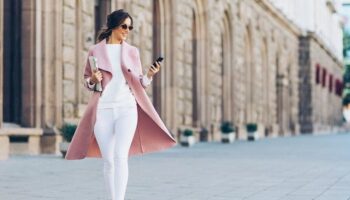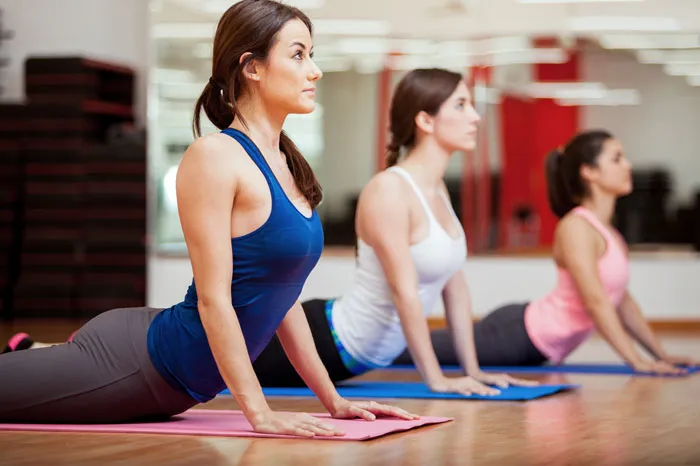
The line between workout gear and everyday clothing has been dissolving for years, but in 2025 it has virtually disappeared. Across Singapore’s fitness studios, coffee shops, co-working spaces, and weekend brunch spots, activewear has claimed its place as a legitimate wardrobe category that moves freely between sweaty Workout classes and post-exercise life without requiring a costume change. This shift is not merely aesthetic. It reflects deeper changes in how Singaporeans think about fitness, self-expression, and the relationship between wellbeing and identity.
For people attending fitness classes singapore regularly, getting dressed for class is no longer just about performance. It is also about style, comfort, values, and, increasingly, sustainability. This article explores the trends, fabrics, cultural considerations, and practical guidance shaping activewear choices in Singapore’s fitness and street culture in 2025.
The Athleisure Movement and Singapore’s Unique Context
Athleisure, the category of clothing designed to be worn both during exercise and in everyday non-athletic contexts, has been a dominant trend globally since the early 2010s. In Singapore, the movement has taken on a distinctly local character shaped by the country’s climate, multicultural demographics, and the particular way Singaporeans relate to public spaces and social presentation.
Singapore’s year-round heat and humidity make breathable, moisture-managing fabrics a practical necessity rather than a luxury, which has accelerated the adoption of performance clothing in daily life. A pair of high-quality compression tights that keep you cool and comfortable during a yoga class are simply more comfortable in Singapore’s climate than a pair of jeans, even outside the studio.
At the same time, Singapore’s multicultural population brings diverse modesty expectations to the activewear space. For many Muslim women, fitness classes have historically required a search for workout attire that accommodates covering requirements while still enabling full, comfortable movement. The growing availability of sports hijabs, long-sleeve performance tops, and full-length active leggings from both international and local brands has meaningfully changed this landscape.
Fabric Technology: The Engine of Modern Activewear
Understanding fabric technology is essential for anyone making informed activewear choices in Singapore, particularly for fitness class attendance where performance demands are real and the climate is unforgiving.
Moisture-wicking fabrics draw sweat away from the skin and push it to the outer surface of the fabric where it evaporates. This is the baseline requirement for any activewear intended for use in Singapore’s climate. Look for fabrics labelled as moisture-wicking, dry-fit, or performance fabrics, which typically use polyester, nylon, or blended synthetic fibres engineered for this purpose.
Four-way stretch is the characteristic that allows a fabric to stretch in all directions without losing its shape. This is essential for yoga, Pilates, and any class format involving a full range of motion. Fabrics with insufficient stretch restrict movement and cause discomfort during class.
Compression fabrics apply graduated pressure to the muscles, which research suggests can reduce muscle oscillation during impact activities, improve proprioception, and potentially aid in recovery. Compression tights and tops are popular in running, cycling, and HIIT classes for these reasons.
Antimicrobial treatment is increasingly common in activewear and addresses one of the less glamorous aspects of Singapore fitness life: the smell that develops in workout clothing that is exposed to persistent heat and sweat. Antimicrobial finishes reduce the bacterial growth that causes fabric odour, extending the wearable life of garments between washes.
Sustainable and recycled fabrics are growing rapidly in the activewear space, with brands increasingly offering garments made from recycled plastic bottles, ocean plastics, and other reclaimed materials. In Singapore, where environmental consciousness among younger consumers is rising, this factor is becoming a meaningful purchase driver.
Class-Specific Dressing: What to Wear to Different Workout Classes
Not all workout classes have the same dressing requirements, and choosing your attire with the specific class format in mind improves both your performance and your comfort.
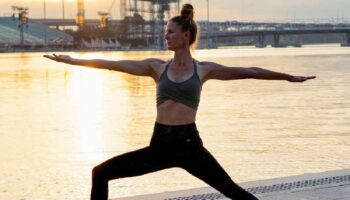
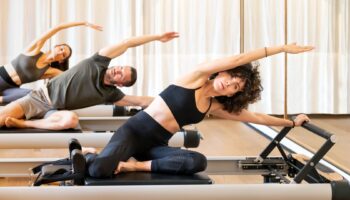
Yoga and Pilates: Fitted, four-way stretch leggings or shorts with a fitted top are ideal. Loose clothing can fall over your head during inversions and restrict instructor visibility of your alignment, which makes it harder for them to offer form corrections. Many participants in Singapore wear a sports bra with a lightweight fitted tank, which works well in the air-conditioned studio environment.
HIIT and Circuit Classes: Prioritise moisture-wicking fabrics and supportive footwear. Women should invest in a high-impact sports bra, as the jumping, running, and dynamic movements in these classes require meaningful breast support. Shoes with adequate lateral support and cushioning are important for joint health during high-impact movements.
Cycling Classes: Padded cycling shorts or compression tights are worth the investment if you attend spinning classes regularly, as they significantly reduce seat discomfort during longer sessions. Performance socks that manage moisture and reduce blister risk are also recommended. Some studios provide shoes with cleats that clip into the bikes, while others allow standard trainers.
Aqua Fitness: A well-fitted swimsuit is essential, and Singaporean women attending aqua classes have a growing range of options including full-coverage modest swimwear and UV-protective fabrics. Water shoes with grip are highly recommended for poolside safety.
Strength and Resistance Classes: Supportive, flat-soled training shoes provide better ground contact and stability for lifting movements than cushioned running shoes, which can compromise stability during weighted squats and deadlifts. Comfortable, non-restrictive clothing that allows full range of motion is key.
Local Singaporean Activewear Brands Worth Knowing
Singapore has a growing ecosystem of locally founded activewear brands that are designing with the local climate, aesthetic sensibilities, and cultural diversity in mind. Supporting local brands also aligns with the broader consumer shift toward considered purchasing and reducing the carbon footprint of international shipping.
Several Singapore-based labels are producing high-quality activewear that reflects the gym-to-street aesthetic with fabrics suited to tropical conditions. These brands tend to design for the realities of Singapore living, which means pieces that transition naturally from a fitness class to a hawker centre lunch without requiring a complete outfit change.
When evaluating local brands, look for transparency about fabric sourcing and manufacturing, genuine reviews from people who have used the pieces for actual workouts in Singapore’s climate, and return or exchange policies that let you assess fit and performance before committing.
Colour, Style, and the Identity Dimension of Workout Attire
Activewear choices communicate more than just practicality in the social environment of a fitness class. The colours, cuts, and brands you wear have become markers of aesthetic identity in a way that was not true of workout clothing a generation ago.
In Singapore’s fitness community, there is a spectrum of style approaches. Some participants wear muted, minimal palettes of black, navy, and grey that prioritise a clean, professional aesthetic. Others embrace bold prints, colour blocking, and statement pieces as a form of self-expression that starts in the studio and extends into their daily visual identity.
The gym-to-street trend has made both approaches viable in public spaces. A well-chosen pair of high-waisted leggings, a structured sports jacket, and a pair of clean trainers can move through a morning fitness class, a post-workout coffee at a speciality cafe, and a casual work-from-home video call without any of those contexts feeling out of place.
Sustainability and the Future of Activewear in Singapore
The fast fashion industry’s environmental impact has received significant global attention, and activewear is not exempt from this conversation. Many popular performance fabrics are made from synthetic materials derived from petroleum, which are not biodegradable and release microplastics during washing.
Sustainable alternatives are increasingly available and viable:
- Recycled nylon and polyester made from post-consumer waste perform comparably to virgin synthetic fabrics in most workout contexts
- Plant-based performance fabrics, including bamboo blends and eucalyptus-derived Tencel, offer natural antimicrobial properties and biodegradability
- Buying fewer, higher-quality pieces rather than many cheap ones reduces both financial and environmental cost over time
- Caring for activewear properly, washing in cold water, air drying rather than tumble drying, and using laundry bags that capture microplastics, extends the life of garments significantly
True Fitness Singapore attracts a fitness community that increasingly reflects these broader values, where the care taken in selecting workout attire is an extension of the same intentionality brought to exercise, nutrition, and overall lifestyle.
Practical Tips for Building a Singapore Activewear Wardrobe
- Prioritise three to four versatile, high-quality base pieces over a large collection of lower-quality items
- Choose fabrics that handle Singapore’s humidity well, which means prioritising moisture-wicking properties over purely aesthetic considerations
- Invest in at least one good pair of class-specific shoes appropriate to the formats you attend most regularly
- Look for pieces with UPF protection if you commute to your fitness class by foot or bicycle in Singapore’s sun
- Consider a lightweight jacket or layer for the transition between outdoor heat and studio air conditioning
- Test new purchases during a light session before wearing them to an intense class to identify any fit or chafing issues before they become a problem
FAQ
Q: Is it acceptable to wear the same outfit to a fitness class and then to run errands in Singapore?
A: Absolutely. The gym-to-street trend is fully established in Singapore’s urban culture, and well-chosen activewear is socially appropriate in most casual public settings. Hawker centres, supermarkets, and casual cafes are entirely comfortable environments for post-class activewear. The main consideration is personal freshness, which good moisture-wicking fabrics help to manage.
Q: How do I find modest activewear suitable for fitness classes in Singapore?
A: The availability of modest activewear has expanded significantly in recent years. Look for long-sleeve performance tops, full-length leggings in compression or moisture-wicking fabrics, and sports hijabs specifically designed for high-movement activities. Several international brands and a growing number of local labels offer dedicated modest activewear lines that perform well in class environments.
Q: How often should I replace my activewear if I attend classes multiple times per week?
A: High-quality activewear worn multiple times per week typically has a functional lifespan of one to two years with proper care. Signs that a garment needs replacing include fabric pilling that affects moisture-wicking performance, loss of elasticity that reduces compression or support, persistent odour that does not resolve with washing, and visible wear at friction points such as inner thighs and waistbands.
Q: Are expensive activewear brands worth the investment for casual fitness class goers?
A: Not necessarily. Price does not always correlate directly with performance in activewear. Mid-range brands often offer comparable fabric technology to premium labels at a fraction of the cost. The key factors to evaluate are fabric quality, construction, fit for your specific body shape, and whether the brand has genuine performance credentials rather than purely lifestyle marketing.
Q: Can I wear cotton clothing to workout classes?
A: Cotton is generally not recommended for most fitness class formats because it absorbs moisture rather than wicking it away, which means it becomes heavy, uncomfortable, and slow to dry during sweaty sessions. In Singapore’s climate, cotton activewear can feel particularly oppressive during high-intensity classes. For very gentle, low-sweat formats like restorative yoga or stretching, cotton can be acceptable, but performance fabrics will almost always provide a more comfortable experience.