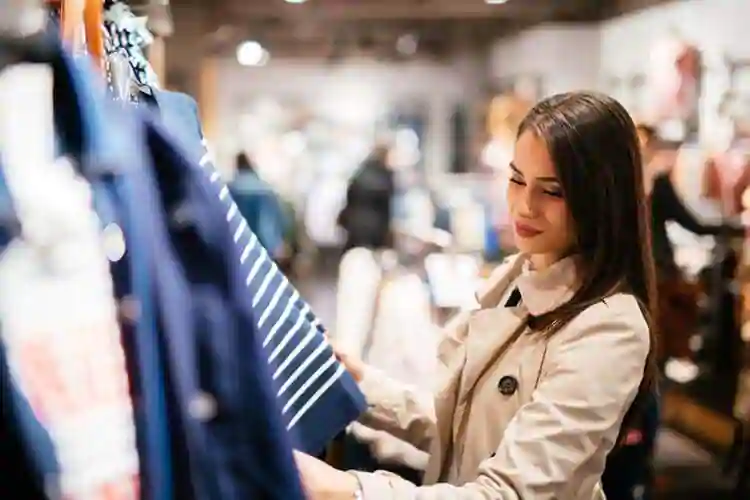
In the modern landscape of commerce, the act of purchasing clothing has become increasingly transactional. For many, the experience is defined by the sterile brightness of big-box department stores or the solitary glow of a smartphone screen. However, as consumers in 2026 seek more meaningful connections with the items they own, a significant shift back toward the boutique experience is occurring. The true art of personal styling is not found in the algorithms of mass-market giants but in the intimate, curated environments of independent boutiques. These smaller establishments are outshining big retailers by prioritizing human intuition, stylistic risk-taking, and a level of service that turns a simple purchase into a transformative experience.
The Human Element vs. The Algorithm
The primary advantage that boutiques hold over large-scale retailers is the presence of a genuine human connection. Big retailers rely heavily on data-driven inventory. Their selections are often dictated by what sold best in the previous quarter across a thousand locations, resulting in a homogenized aesthetic that aims to offend the fewest people possible. This “safe” approach to fashion often leaves the individual shopper feeling like just another data point.
In contrast, a boutique owner or stylist operates on intuition and personal relationship. They know the names of their frequent clients, their lifestyle needs, and their physical insecurities. When a boutique stylist suggests a garment, it is not because an automated system flagged it as a high-margin item, but because they have visualized how that specific fabric will drape on that specific person. This human-centric approach allows for a level of precision in styling that software cannot yet replicate.
Curation as a Form of Storytelling
Big retailers often pride themselves on the sheer volume of their offerings. They provide rows upon rows of options, which can lead to a phenomenon known as decision fatigue. For many shoppers, more choice does not lead to a better wardrobe; it leads to confusion and impulse buys that never leave the closet.
Boutiques solve this problem through the art of curation. A boutique is essentially an edited version of the fashion world. The owner acts as a filter, traveling to showrooms and selecting only the pieces that fit a specific narrative or aesthetic vision. This curation offers several benefits to the client:
-
Cohesion: Because the items are selected by a single eye or a small team, the pieces in a boutique often work together effortlessly, making it easier to build a versatile capsule wardrobe.
-
Discovery: Boutiques are the primary champions of emerging designers. They provide a platform for new talent that is too small or too avant-garde for a major department store to risk stocking.
-
Quality Control: Smaller retailers often prioritize craftsmanship over quantity. They can afford to vet each brand for its ethical practices and construction quality in a way that a global conglomerate cannot.
The Psychology of the Fitting Room
The fitting room experience is where the gap between big retailers and boutiques is most apparent. In a large department store, the fitting room is often a utilitarian space—sometimes neglected, poorly lit, and largely unsupervised. The customer is left to struggle with sizes and silhouettes in isolation, which can lead to a negative self-image if a garment doesn’t fit as expected.
Boutiques treat the fitting room as a sanctuary and a studio. A professional boutique stylist understands that clothing is an emotional purchase. They provide active feedback, suggesting a different size or a complementary accessory that changes the entire look. They understand the “why” behind the fit. If a pair of trousers isn’t working, the boutique stylist can explain that it’s a matter of the rise or the pocket placement, rather than a flaw in the customer’s body. This supportive environment fosters confidence and encourages shoppers to step outside their comfort zones.
Beyond the Sale: Long-Term Wardrobe Building
A big retailer’s goal is typically to maximize the value of a single transaction. They want the customer to buy as much as possible right now. Boutique owners, however, understand that their survival depends on long-term loyalty. They are invested in the customer looking good six months or a year after the purchase.
This long-term perspective changes the nature of the advice given. A boutique stylist will often tell a client when a piece is not right for them, even if it means losing an immediate sale. This honesty builds a foundation of trust. Over time, the stylist becomes a wardrobe architect. They remember that the client bought a specific silk blazer three seasons ago and will point out a new pair of trousers that perfectly complements it. This level of continuity is impossible in the high-turnover environment of big-box retail.
Exclusivity and the Death of Uniformity
In the age of social media, the fear of “outfit clashing”—showing up to an event in the same mass-produced dress as someone else—is real. Big retailers produce garments by the tens of thousands, ensuring that their best-sellers become a sort of unofficial uniform.
Boutiques offer an antidote to this uniformity. By stocking limited quantities from independent labels, they ensure that their clients possess items that are rare and distinctive. This exclusivity is a key component of personal styling. It allows the individual to express a unique identity that isn’t tied to the current “top trending” list on a global website. In a boutique, the focus is on style, which is eternal, rather than fashion, which is fleeting.
The Community Hub
Finally, boutiques serve as vital cultural hubs within their communities. They host events, trunk shows, and collaborations that bring people together. In an era where much of our life is lived digitally, the physical space of a boutique offers a tactile, sensory experience. The smell of the space, the weight of the hangers, and the conversation with the staff create a memory that becomes attached to the clothing. When a person wears a garment purchased from a local boutique, they are wearing a piece of their community’s story.
Frequently Asked Questions
How can I tell if a boutique’s styling services are right for me?
The best way to gauge a boutique is to observe their window displays and social media presence. If their aesthetic resonates with you, step inside and have a brief conversation with the staff. A good stylist will listen more than they talk, asking about your lifestyle and what you feel is currently missing from your wardrobe before making suggestions.
Are boutiques significantly more expensive than big retailers?
While some luxury boutiques have high price points, many mid-range boutiques offer excellent value. Because the quality of construction and materials is often higher than at mass-market retailers, the “cost per wear” is lower over the life of the garment. Furthermore, the personalized advice you receive helps prevent expensive mistakes—items you buy but never wear.
Do I need to make an appointment for styling in a boutique?
While many boutiques welcome walk-ins, making an appointment is highly recommended if you are looking for a complete wardrobe overhaul. An appointment ensures that a stylist can dedicate their full attention to you and may even allow them to pre-pull items based on a preliminary phone or email consultation.
What should I bring to a styling session at a boutique?
It is helpful to wear or bring the shoes you plan to wear with the types of outfits you are looking for. Additionally, bringing a few “anchor” pieces from your current wardrobe can help the stylist understand your existing style and show you how new items can integrate with what you already own.
Can boutiques help with tailoring and alterations?
Most high-end and independent boutiques have close relationships with local tailors or offer in-house alteration services. Because they prioritize a perfect fit, they are often more than happy to facilitate the pinning and adjustment process to ensure the garment looks bespoke.
Is it okay to visit a boutique just to browse without buying?
Absolutely. Boutique owners understand that building a relationship takes time. Browsing allows you to get a feel for their curation and quality. However, if you receive extensive personal styling advice and time from a staff member, it is considered polite to acknowledge that expertise, even if you aren’t ready to purchase that day.
How do boutiques handle returns compared to big retailers?
Boutique return policies are often stricter than those of big-box stores because their inventory is much smaller. They may offer store credit or exchanges rather than full refunds. It is always best to ask about the specific return policy before finalizing a purchase to ensure there are no surprises.