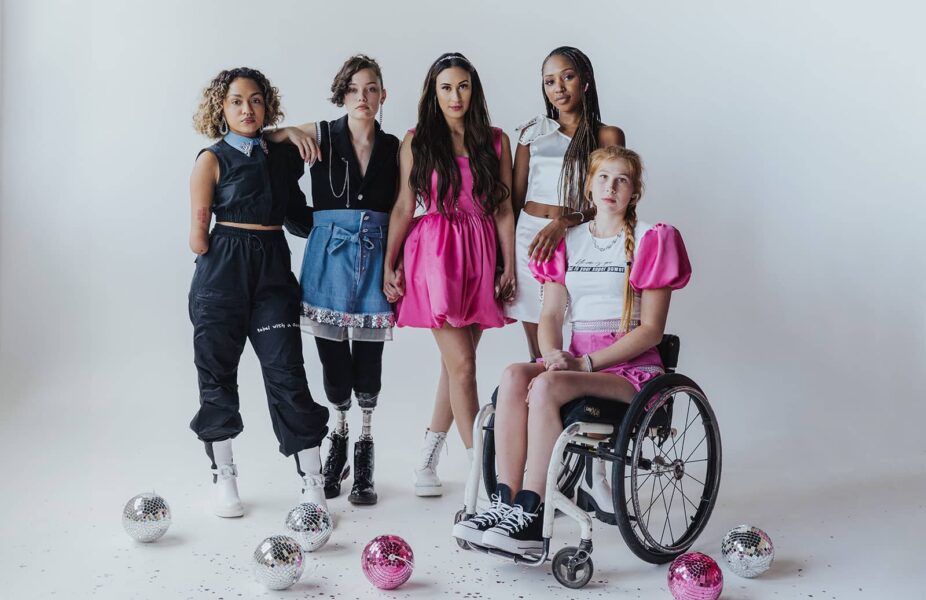
For most of fashion history, the industry has designed for a singular, idealized body type, often ignoring the practical needs of millions of individuals living with physical, sensory, or cognitive disabilities. However, we are currently witnessing a profound cultural and industrial shift. Adaptive apparel, once a niche medical necessity found only in specialized catalogs, has moved into the mainstream. In 2026, the global fashion market is finally recognizing that style and accessibility are not mutually exclusive. This movement is not just about utility; it is about dignity, autonomy, and the fundamental right to self-expression through clothing.
Adaptive fashion refers to garments and footwear specifically engineered to make dressing easier for people with a wide range of needs. This includes individuals who use wheelchairs, those with prosthetic limbs, people with limited manual dexterity due to arthritis or tremors, and those with sensory processing sensitivities. By rethinking the very architecture of a garment, designers are removing the physical barriers that have long made the simple act of getting dressed a daily struggle.
The Evolution of Inclusive Design
The journey toward inclusive fashion began with grassroots efforts and small, disability-led brands that recognized a massive gap in the market. Historically, clothes for people with disabilities were “functional” in the most clinical sense, often resembling hospital scrubs or shapeless sacks. They lacked aesthetic appeal, forcing consumers to choose between looking good and being able to dress themselves independently.
The breakthrough occurred when major global retailers began to adopt Universal Design principles. Universal Design is the concept of creating products that are usable by the widest possible range of people, regardless of their ability level. When a brand replaces a difficult-to-manipulate button with a hidden magnetic closure, they aren’t just helping someone with Parkinson’s; they are also helping an elderly person with stiff joints or even a parent trying to dress a squirming toddler. This “curb-cut effect” has helped normalize adaptive features, proving that inclusive design improves the experience for everyone.
Key Innovations in Adaptive Construction
Modern adaptive apparel relies on clever engineering and the use of advanced materials to solve specific pain points. These innovations are often invisible to the naked eye, allowing the wearer to maintain a sleek, “standard” appearance while benefiting from specialized functionality.
-
Magnetic Closures: Replacing traditional buttons and zippers with high-strength magnets allows garments to be fastened with one hand or with minimal grip strength. These magnets are often hidden behind a decorative “dummy” button to maintain a classic look.
-
Seated-Fit Tailoring: Clothes designed for wheelchair users are cut differently. They feature a higher back rise to prevent the waist from slipping down, shorter front lengths to reduce fabric bunching at the lap, and the removal of pockets or seams from the seat area to prevent pressure sores.
-
Easy-Access Openings: Side-seam openings, VELCRO closures at the shoulders, and zip-around pant legs allow for easier dressing for those with limited mobility or those who use prosthetics and braces.
-
Sensory-Friendly Materials: For individuals with autism or sensory processing disorders, tags, rough seams, and certain textures can be physically painful. Adaptive lines often feature tagless labels, flat-locked seams, and ultra-soft, breathable fabrics to minimize irritation.
-
Adjustable Hemlines: Magnetic or snap-up hems allow pants to be shortened or lengthened easily, accommodating different heights or the use of leg braces and prosthetic limbs.
The Economic and Social Impact of Accessibility
The rise of adaptive apparel is not just a moral victory; it is a savvy business move. According to global health data, over one billion people worldwide live with some form of disability. This demographic, along with their families and caregivers, represents a massive market with significant purchasing power. As the global population ages, the demand for clothing that accommodates mobility challenges will only continue to grow.
Beyond the numbers, the social impact of adaptive fashion is transformative. For many people with disabilities, the inability to dress oneself is a significant barrier to independence. Adaptive clothing empowers individuals to manage their own morning routines, which in turn boosts self-esteem and mental well-being. It also facilitates greater participation in the workforce and social activities. When a person no longer has to worry about the physical difficulty of their outfit, they can focus their energy on their career, their hobbies, and their community.
Representation and the New Face of Fashion
A critical component of this rise has been the shift in representation. In 2026, it is no longer uncommon to see models with visible disabilities in major advertising campaigns and on international runways. This visibility is essential for de-stigmatizing disability. When a luxury house features a model with a prosthetic limb or a person using a sleek, carbon-fiber wheelchair, it sends a powerful message that beauty and fashion belong to everyone.
This representation also extends to the design room. Many of the most successful adaptive brands are founded or led by people with lived experience of disability. This “nothing about us without us” approach ensures that the products are truly effective. Designers who understand the frustration of a zipper that won’t stay up or a waistband that digs in while sitting are uniquely positioned to create elegant solutions that others might overlook.
The Role of Technology and Customization
Technology is playing a pivotal role in the future of adaptive apparel. 3D body scanning and AI-driven sizing tools allow for a level of customization that was previously impossible at a mass-market scale. A customer can scan their body using a smartphone, and a garment can be digitally altered to fit their specific proportions or medical equipment.
Furthermore, “smart” adaptive clothing is on the horizon. This includes fabrics that can monitor vital signs or regulate temperature for individuals with spinal cord injuries who may have difficulty with thermoregulation. We are also seeing the integration of haptic feedback in clothing to assist those with visual impairments in navigating their environment. These advancements are blurring the lines between fashion, technology, and healthcare.
Challenges and the Path Forward
While the progress is significant, challenges remain. Price points for adaptive clothing can still be higher than standard lines due to the complexity of the construction and smaller production runs. There is also a need for more education among retail staff and better in-store infrastructure, such as larger, more accessible fitting rooms.
However, the momentum is undeniable. High-street retailers, luxury conglomerates, and sportswear giants are all entering the space. As competition increases and production scales, adaptive features will likely become standard across more collections. The goal is a future where the “adaptive” label is no longer necessary because inclusivity is baked into every garment from the initial sketch to the final stitch.
Frequently Asked Questions
Are adaptive clothes only for people with permanent disabilities?
No. Adaptive apparel is also extremely beneficial for people recovering from surgery, individuals with temporary injuries like a broken arm, or elderly individuals who may experience a natural decline in fine motor skills. Anyone who finds traditional fasteners or cuts difficult to manage can benefit from these designs.
Can adaptive clothing be washed like regular laundry?
Most adaptive clothing is designed for easy care. Items with magnetic closures are typically machine washable, though it is usually recommended to close the magnets before washing to prevent them from sticking to the drum or other clothes. Sensory-friendly and high-performance adaptive gear usually follows standard washing instructions for synthetic or blended fabrics.
How do I find my size in seated-fit clothing?
Sizing for seated-fit apparel can be different because the garments are cut for a body in a seated position. Many brands provide specific measurement guides that focus on the waist-to-knee length and the rise of the trousers. It is important to measure while sitting down to ensure the most accurate fit.
Does adaptive fashion cost more than regular fashion?
Currently, some adaptive items may carry a slight premium due to the specialized hardware like magnets or the increased labor required for complex patterns. However, as major retailers like Target and Tommy Hilfiger expand their lines, prices are becoming more comparable to standard apparel.
Is it possible to turn regular clothes into adaptive clothes?
Yes, there is a growing market for adaptive alterations. Local tailors can often replace zippers with magnets or VELCRO, and there are DIY kits available for home use. However, professionally designed adaptive gear is usually superior because the entire silhouette of the garment is engineered for a specific need.
How does adaptive clothing help with sensory issues?
Sensory-friendly clothing eliminates common triggers such as scratchy lace, protruding seams, and stiff fabrics. By using seamless construction and printed labels instead of physical tags, these garments reduce the “tactile defensiveness” that many people with sensory processing disorders experience, leading to a much calmer daily experience.
What should I look for when buying adaptive shoes?
Look for shoes with “step-in” technology that requires no hands, or those with wrap-around zippers that allow the entire top of the shoe to open. This is particularly helpful for individuals who wear AFOs (Ankle-Foot Orthotics) or those who cannot bend over to tie laces. Flexibility and a wide toe box are also key features for comfort.